At first sit I was worried that the bed here would be terribly uncomfortable for me but its fantastic and I slept amazing last night. The comforter is the perfect warmth and weight to make for a cozy slumber. With the time difference and all the light from the windows in the cottage I didn’t need my alarm but I laid in bed after I awoke until I knew I had to get my butt moving. Today I am doing a Forgotten World Rail tour and I have to be in Taumarunui, 35 minutes away, by 7:15am.
I drove the mostly-empty road with confidence and ease; making up a few minutes of time. Pulling into the meeting spot at the Forgotten World Hotel at 7:13am, a guide waived me down. He pointed out where to park, telling me, “Don’t want to hurry you but as quick as possible.” He walked down to the where I was parking to ensure I had everything I need and hurry me along. I informed him that I thought I was right on time and he told me of a road closure that we were trying to avoid. Well if you wanted me to be here earlier perhaps some communication to that sort would have been nice.
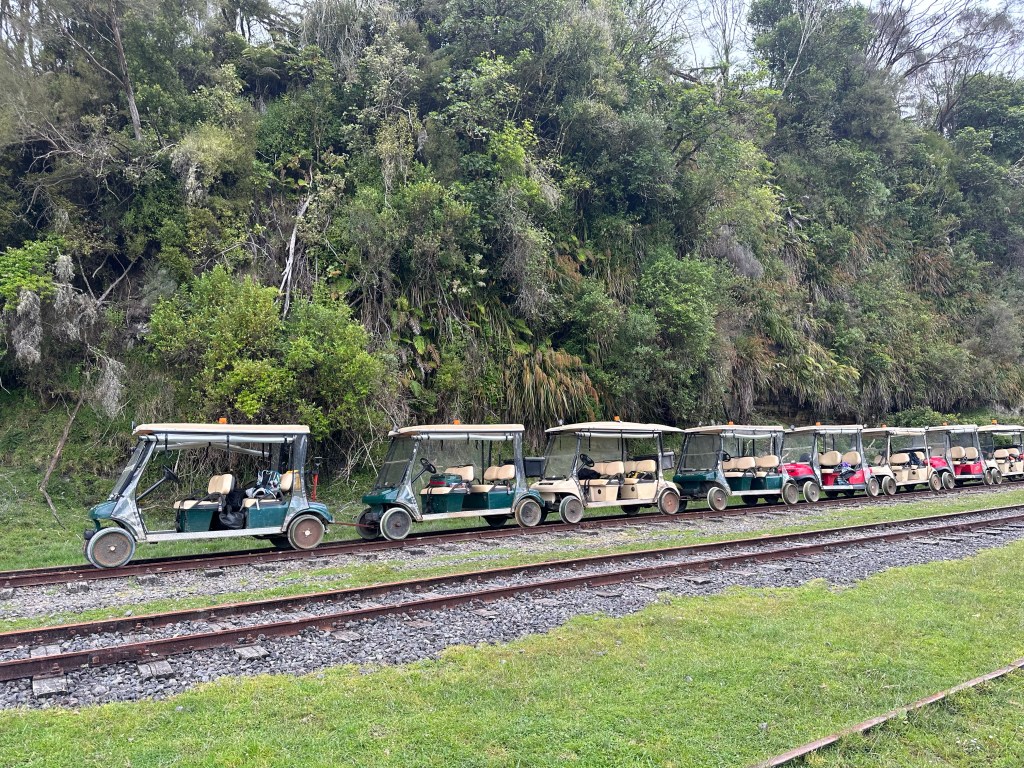
I grabbed my layers and followed the guide, Lincoln, inside where a handful of other guests had gathered. He stood in front of a large map and quickly outlined our day; we would be driven about two hours down to Whangamomona. From there we would get in our golf carts that have been converted to ride the rail line and spend the next 82km/51 miles riding along the old abandoned Stratford-Okahukura Rail Line back up to Taumarunui. We would make multiples stops for brief history talks during our rail journey which also included stops for morning tea, lunch, and afternoon tea.
By 7:23 our driver, Krystle, was pulling onto the road. Grateful to be on the little shuttle bus instead of driving to Whangamomona myself. I learned that a couple on the bus were locals; Dave and his wife Shirley have lived in the area their entire life. Dave is a retired farmer and Shirley was once the Secretary of the Republic of Whangamomona. Having their local knowledge and stories added to the anecdotes and history shared by Lincoln made the conversations more dynamic. I asked Dave about guns in New Zealand and he looked surprised by my question, “Of course we can own guns, and we’ve all got them!” He went on to explain how important firearms are due to the importance of hunting, both for sustenance and to manage invasive species populations since there are no natural predators.
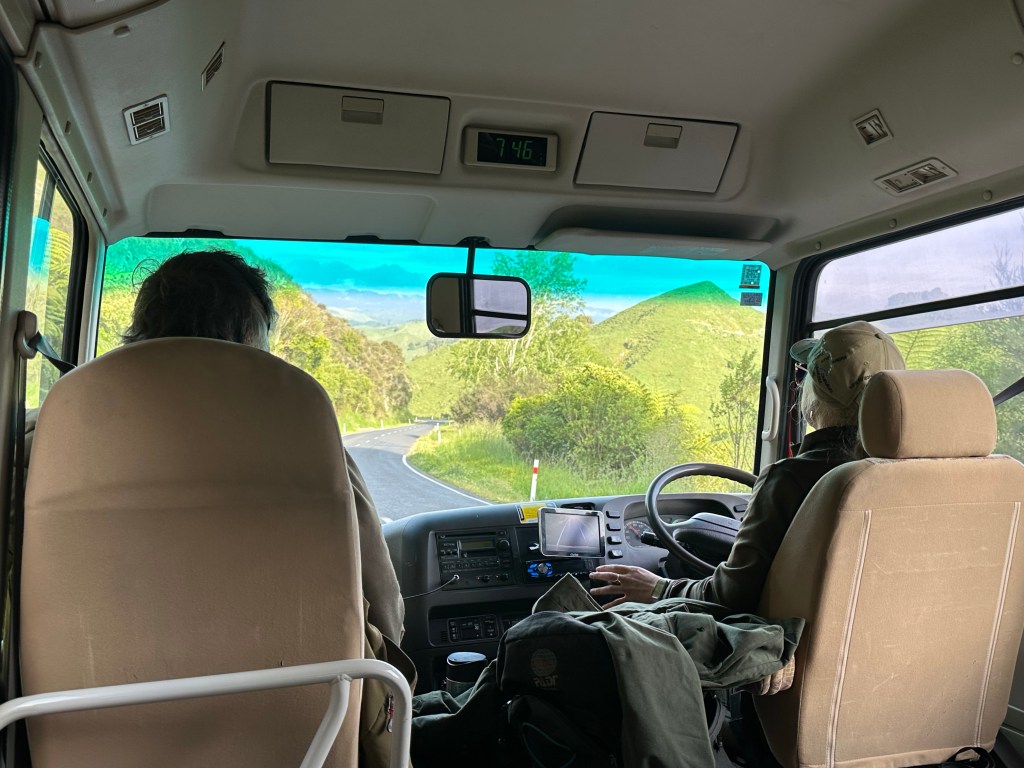
We drove mostly through farmland, seeing the morning farm work, at times with working dogs herding sheep and cows between pastures. Lincoln discussed the owners of the different farms and pointed our attention to the hillside where the largest farm owner in the area was planting trees on his farmland to restore the pastures to native bush, the previous natural state. Apparently New Zealand was pretty much all foresty bush and all the farmland is the result of clearing. I asked Dave if farm owners are restoring the bush just for the sake of the environment and the goodness of their heart or if there was some incentive for them to do so. This turned out to be quite a question and incited a little political back and forth between Lincoln and Dave about carbon credit farming. Lincoln kindly cut off the conversation and said it was a great question and something we would be talking about during our rail journey later. Dave mumbled under his breath about politics getting in the way of the land. I seem to have opened a bit of a Pandora’s box here!
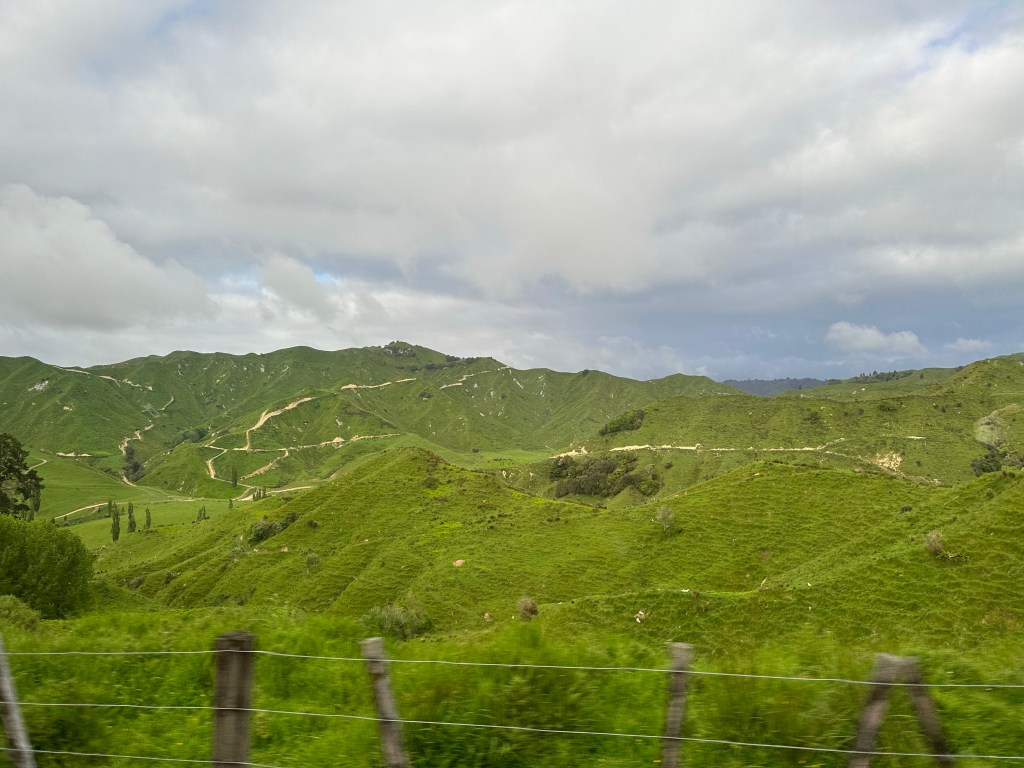
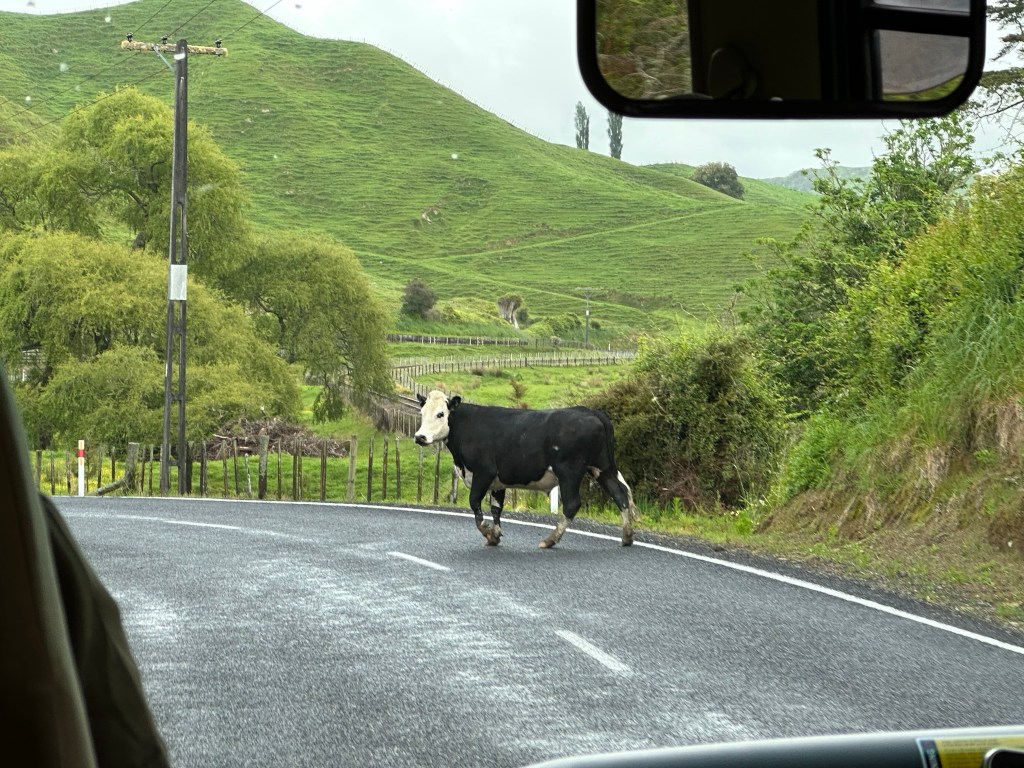
Just before the road turned from sealed to gravel and two loose cows slowed us down as they wove back and forth, refusing to get out of the way. Krystle commented that it’s these roads where you’re likely to encounter tourists who just stop in fear of how to drive past a large shuttle with such narrow and unmarked lanes. I raised my hand and declared, “That would be me, 100%, I own it!”
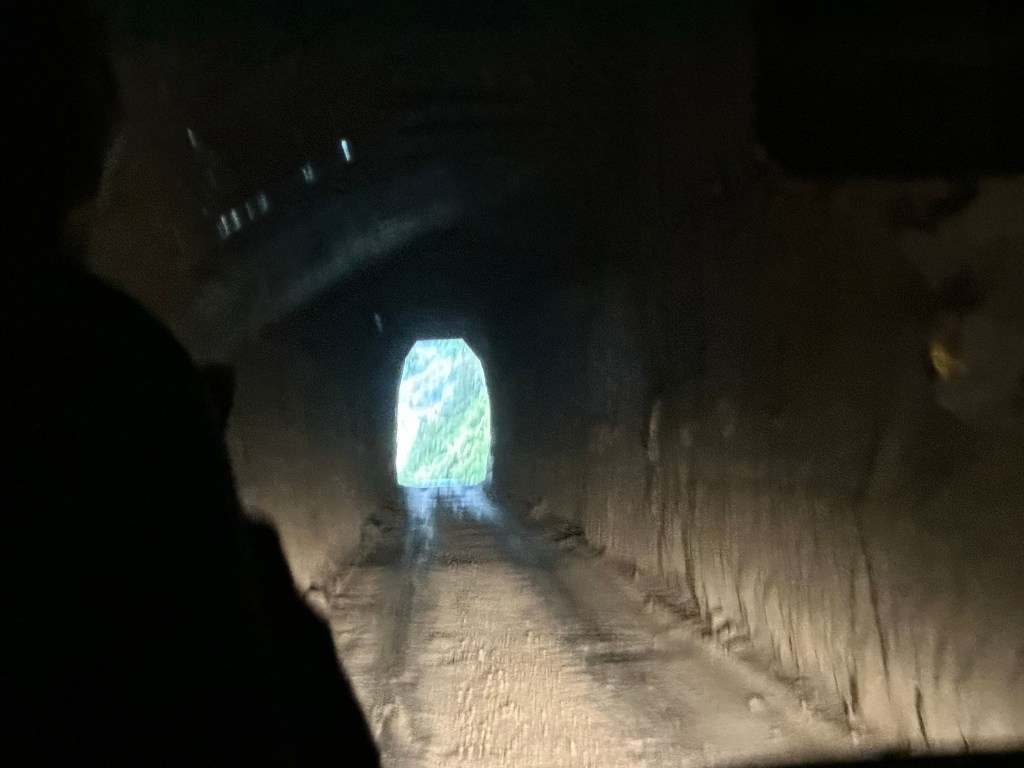
Lincoln and Dave discussed the two farm owners with adjoining properties, the Tudors and the Kennedys, and how their families have feuded for years. The younger generations are taking over the feuding from the older and keeping it going. Such great local gossip. Krystle navigated the shuttle bus through a narrow tunnel, barely large enough for one vehicle at a time to clear. A “Hobbit Hole” sign has been affixed to the top of the tunnel for years and Krystle made sure to point out the sign was there long before the movies. On the other side of the tunnel was Tahora with a sign that read, “Welcome to Tahora! You’re lost!” Apparently google maps and others used to mistakenly send directions to the coast down this remote stretch of highway that has no actual connecting road to the coastal areas.
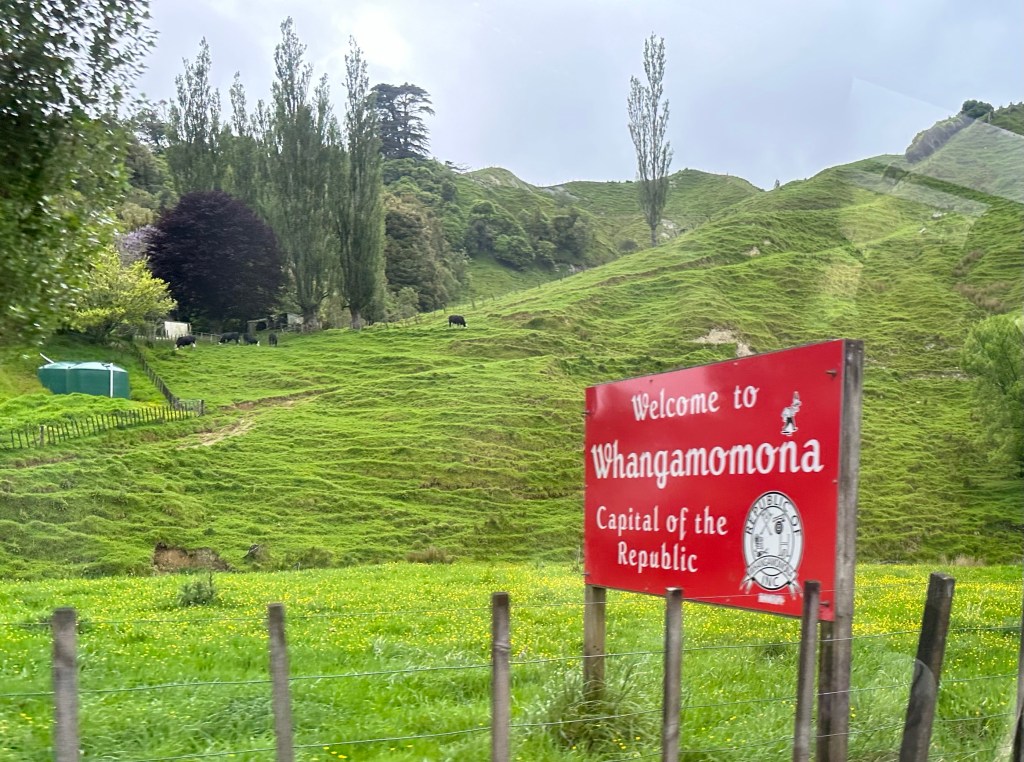
Arriving at the Whangamomona Hotel, I concluded that the road there, while windy and narrow, wasn’t quite as bad as it had been made to seem when I’ve read about it. But I’m still glad I wasn’t driving. While I could have done a half day rail tour, the main reason I wanted to do the full day was because it included a visit to the Republic of Whangamomona. Once upon a time there had been a debate over which county was responsible for Whangamomona, with the possibility of splitting the little town in half due to something about the waterways. The townspeople were not standing for the idea and instead became their own independent republic in 1989; complete with their own president and passport stamp. Though the republic isn’t officially recognized so it’s a bad idea to get their passport stamp in your actual passport (though people do). However, for $5 NZD you can apply for a Republic of Whangamomona passport book in the bar at the Whangamomona Hotel and for another $2 NZD get it stamped with the official Whangamomona passport stamp. Only 2 1/2 of the Presidents of Whangamomona have been human (1/2 because one, Vicki, the owner and operator of the Whangamomona Hotel who issued me my Whangamomona passport, was only an interim). The other Presidents have included Billy Gumboots the Goat, Tai the Poodle, and Sir Murt (Murtle the Turtle).
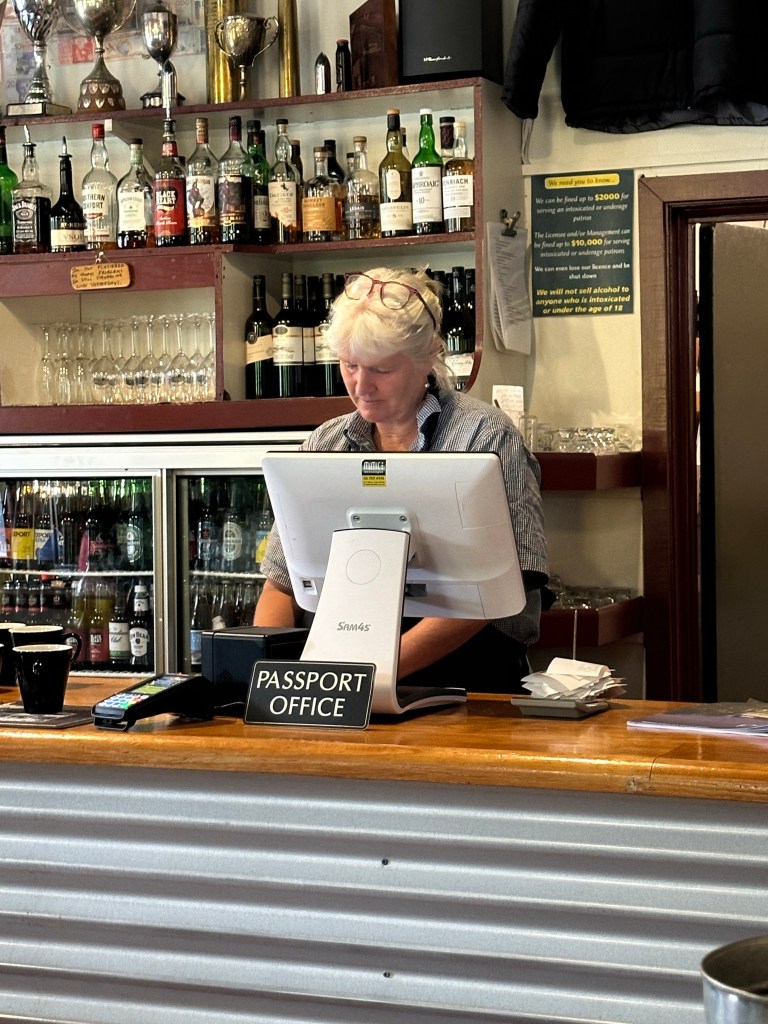
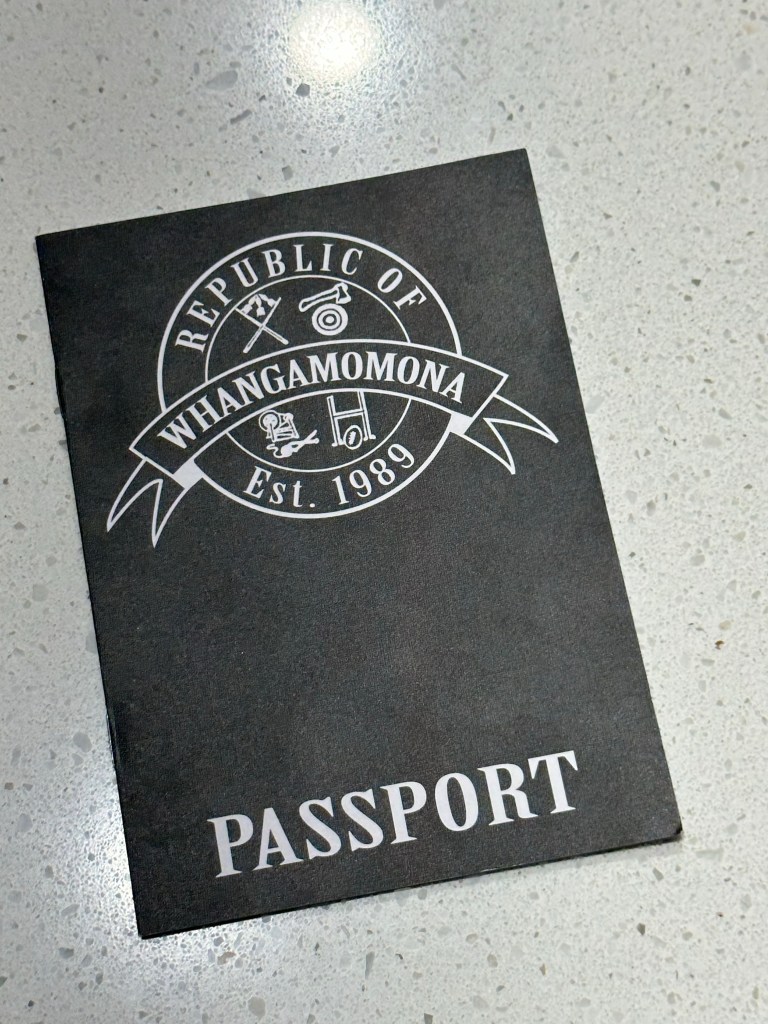
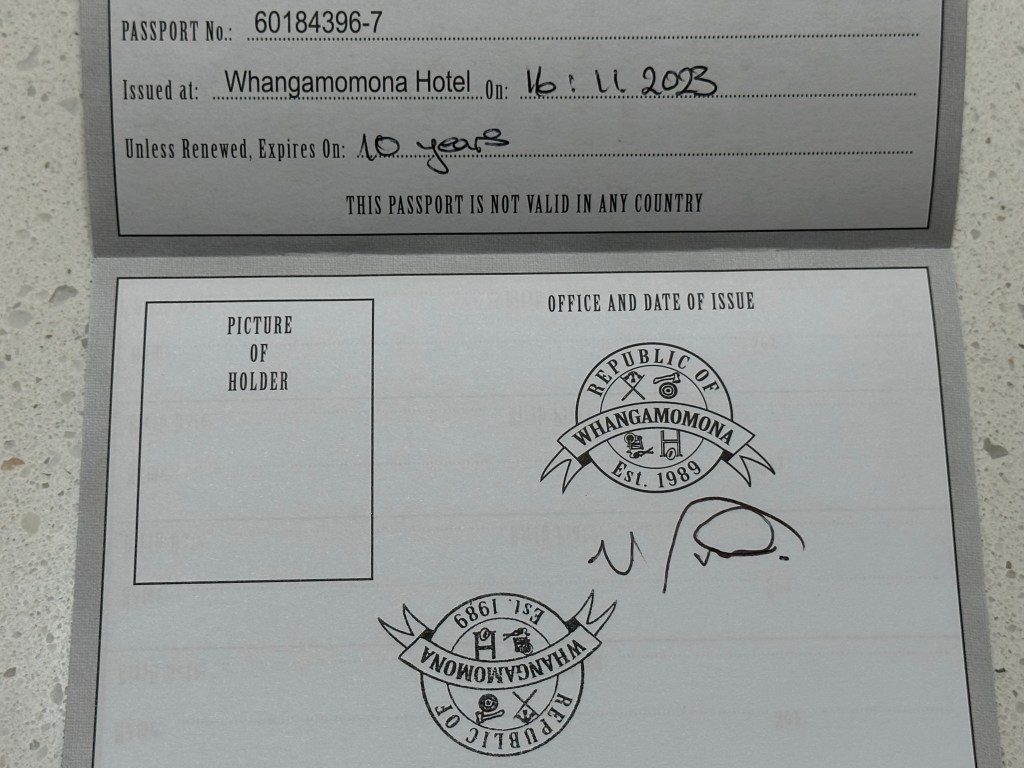
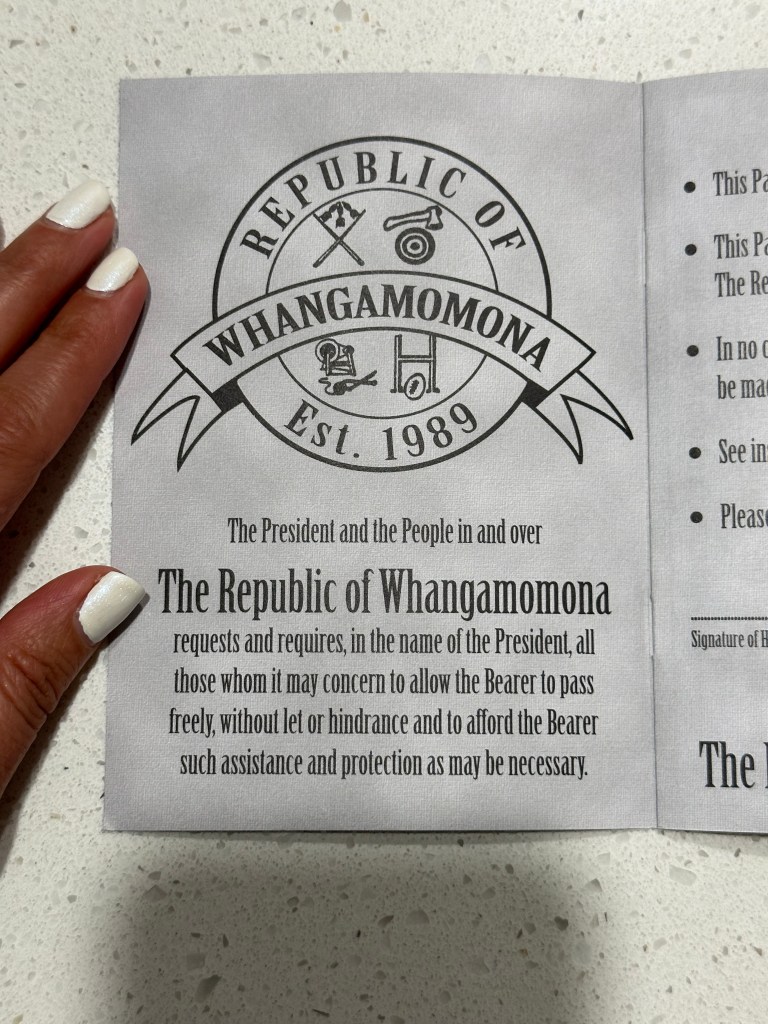
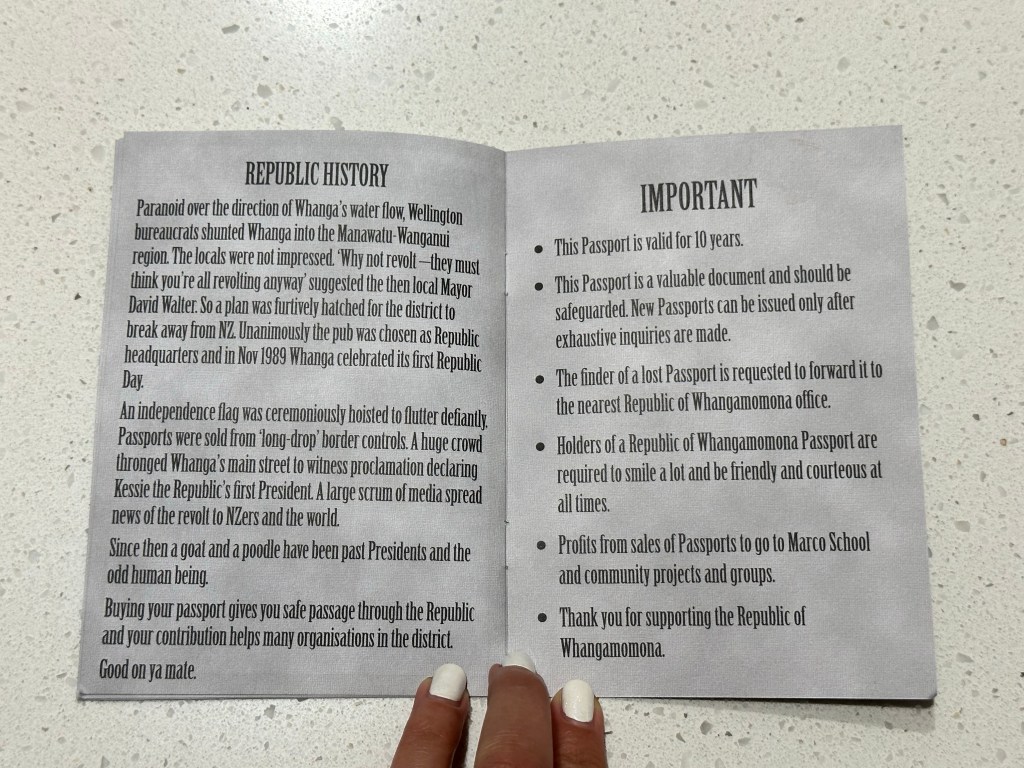
The Whangamomona Hotel is the largest business in town and its bar the town center. I can only imagine the stories and entertainment in that bar in the evenings. Rumor has it that the current President, an actual human, is there practically nightly and not afraid to stump.
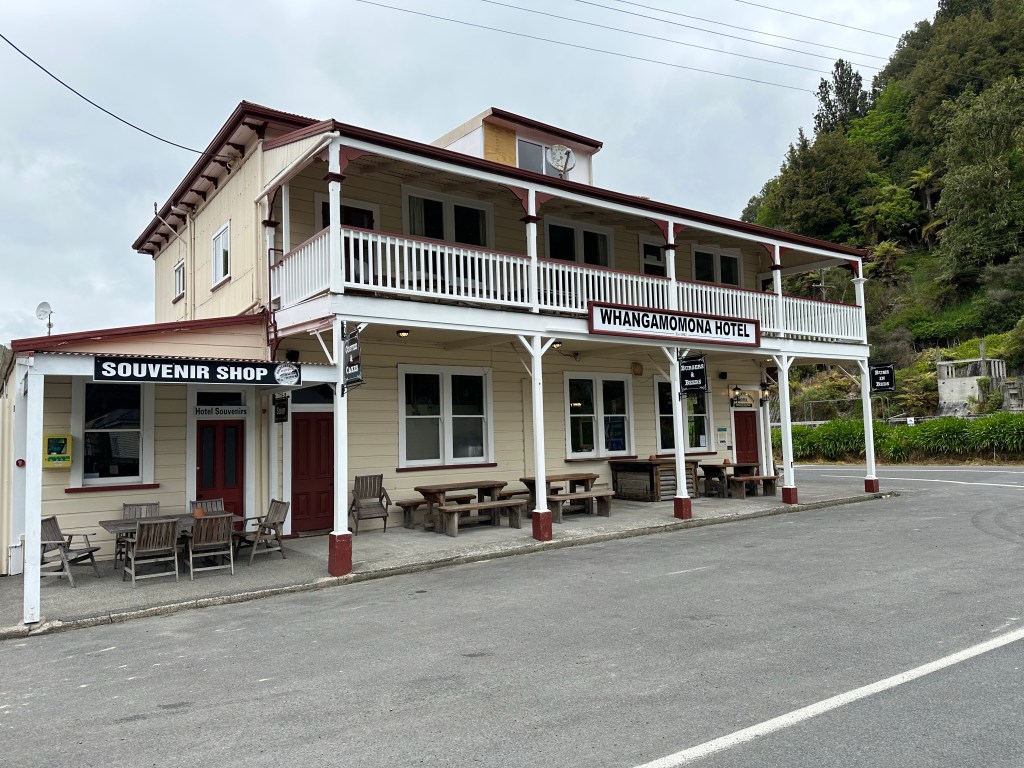
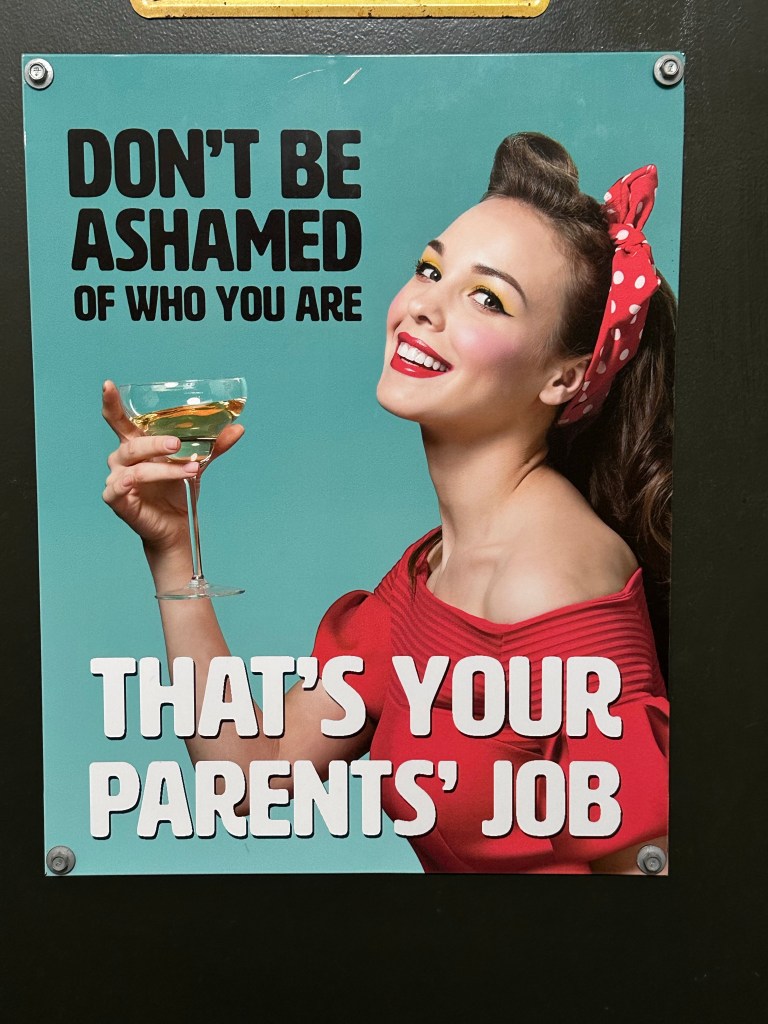
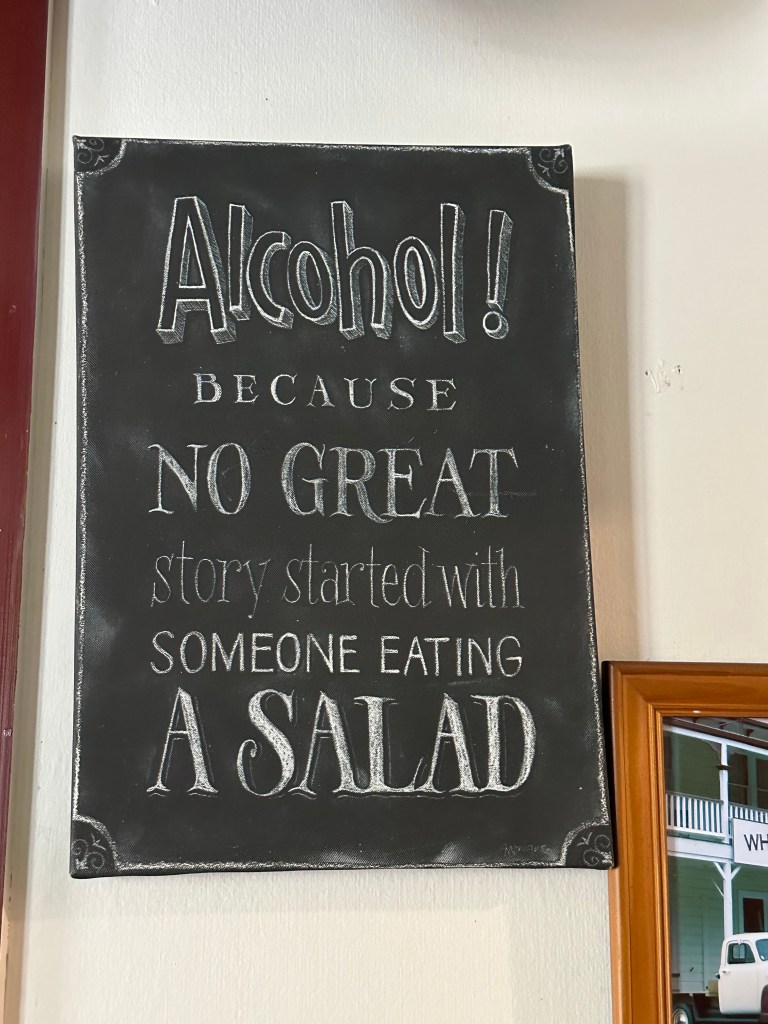
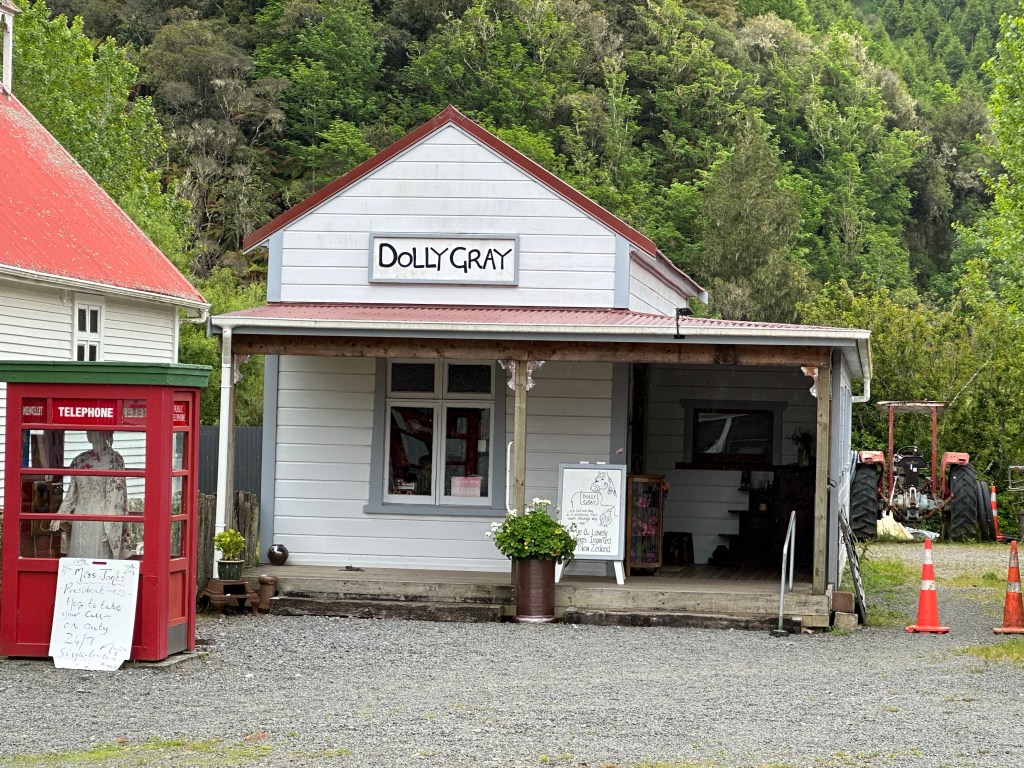
Whangamomona’s downtown consists of about eight little buildings, the Presidential Park, and a driftwood statue. Miss Jones, the current Vice President, who happens to be a mannequin, stands in an old phone, always available for her constituents. Shirley explained that during her time as the Republic’s secretary she designed and built the Presidential Park and Billy the Goat maintained the grass during his Presidential term. Whangamomona is a trip back in a weird time, leaving me feeling like I was in some weird alternate reality.
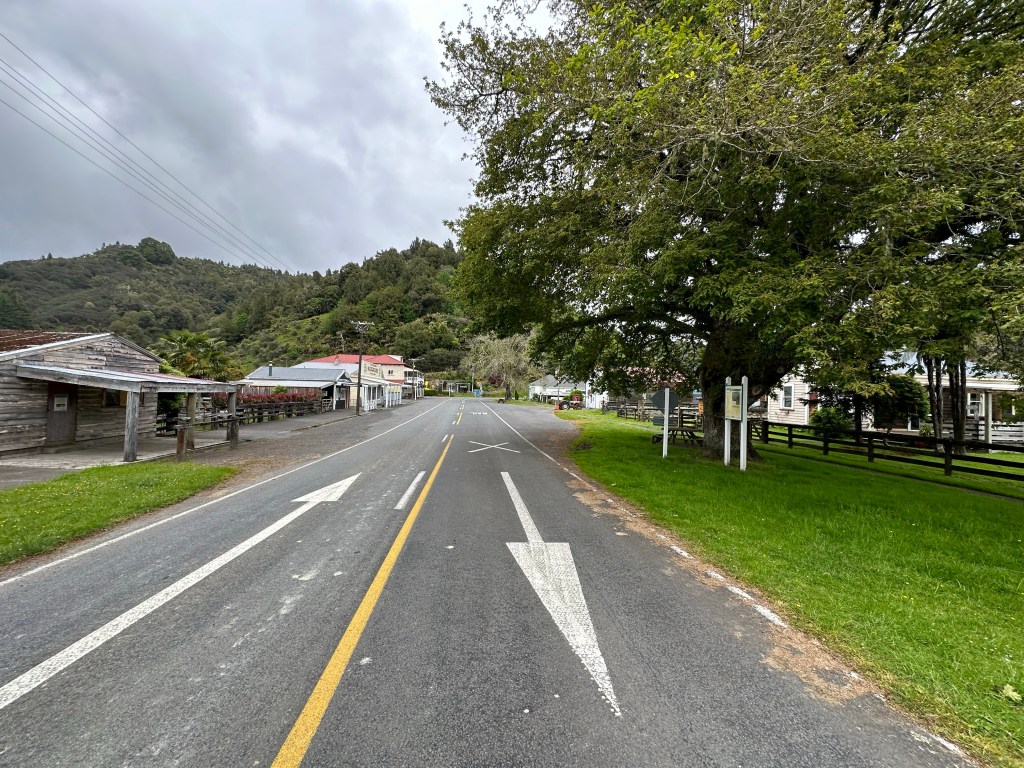
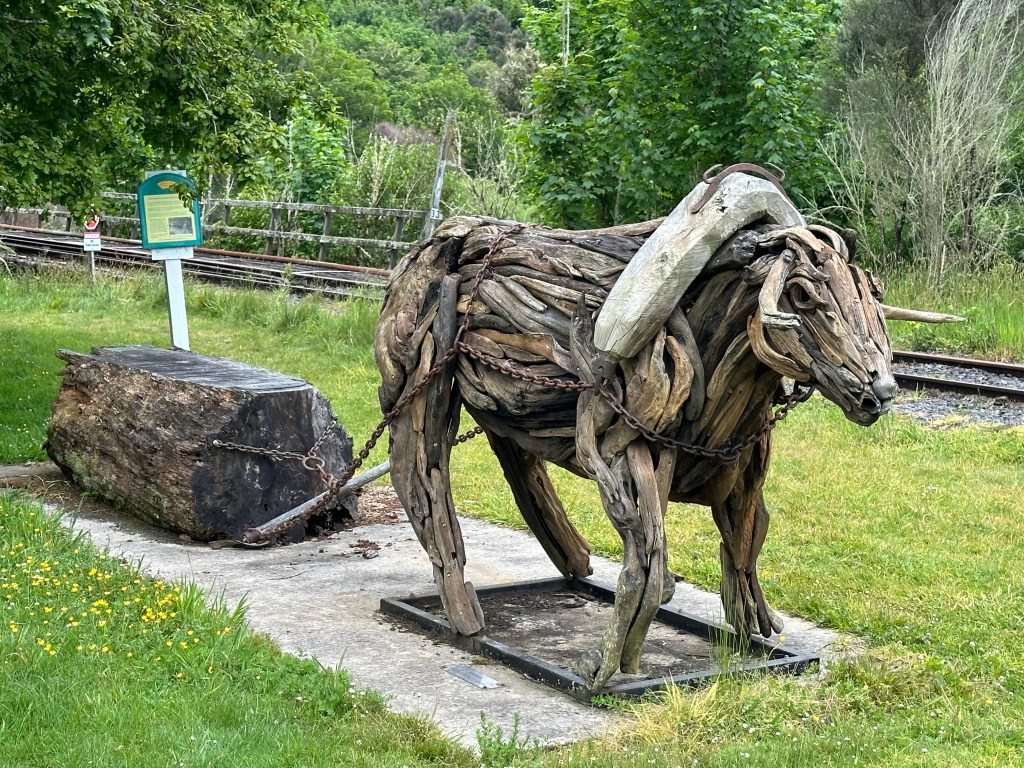
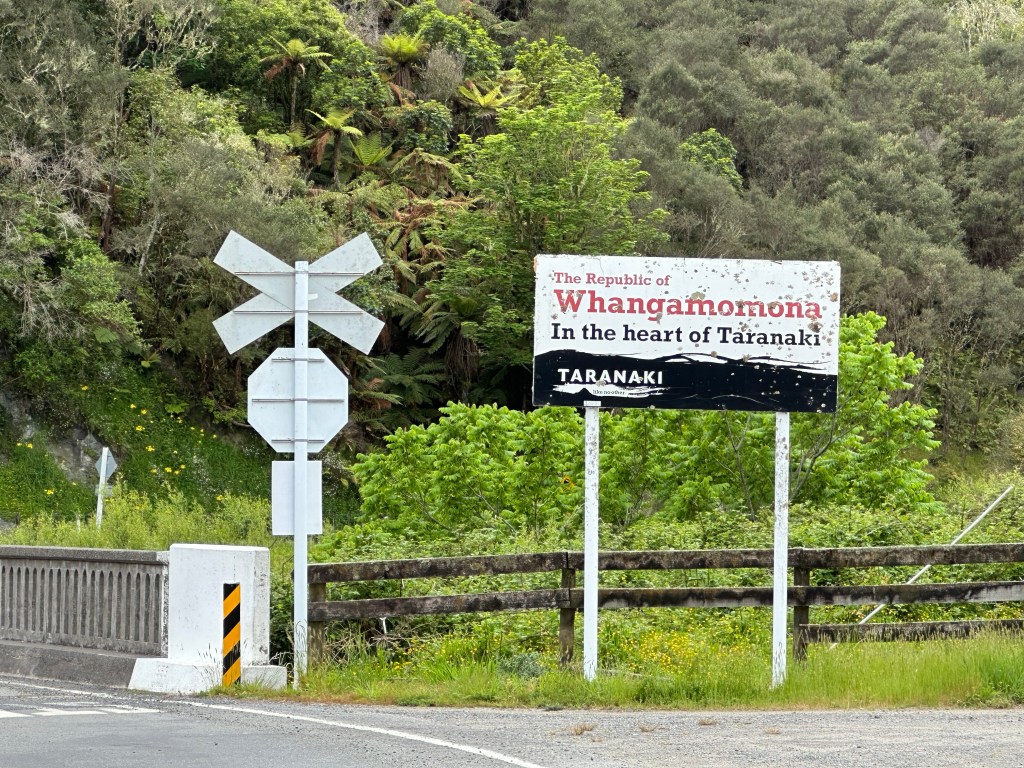
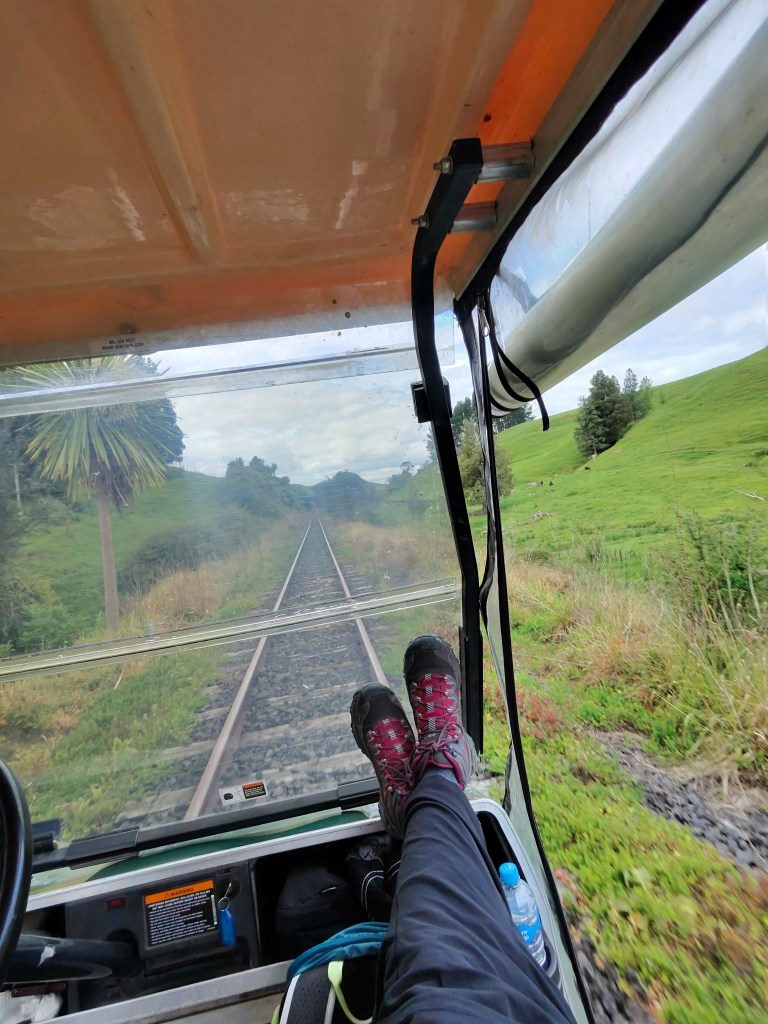
Lincoln led us through town to the the Whangamomona Rail stop to board our golf carts and begin our rail journey. I had imagined I would be alone in my own cart but with the “no camera while in the drivers seat” rule, even though driving only includes acceleration and breaking since the railway does the steering, I didn’t want to be limited and it was decided that I would ride with Lincoln instead.
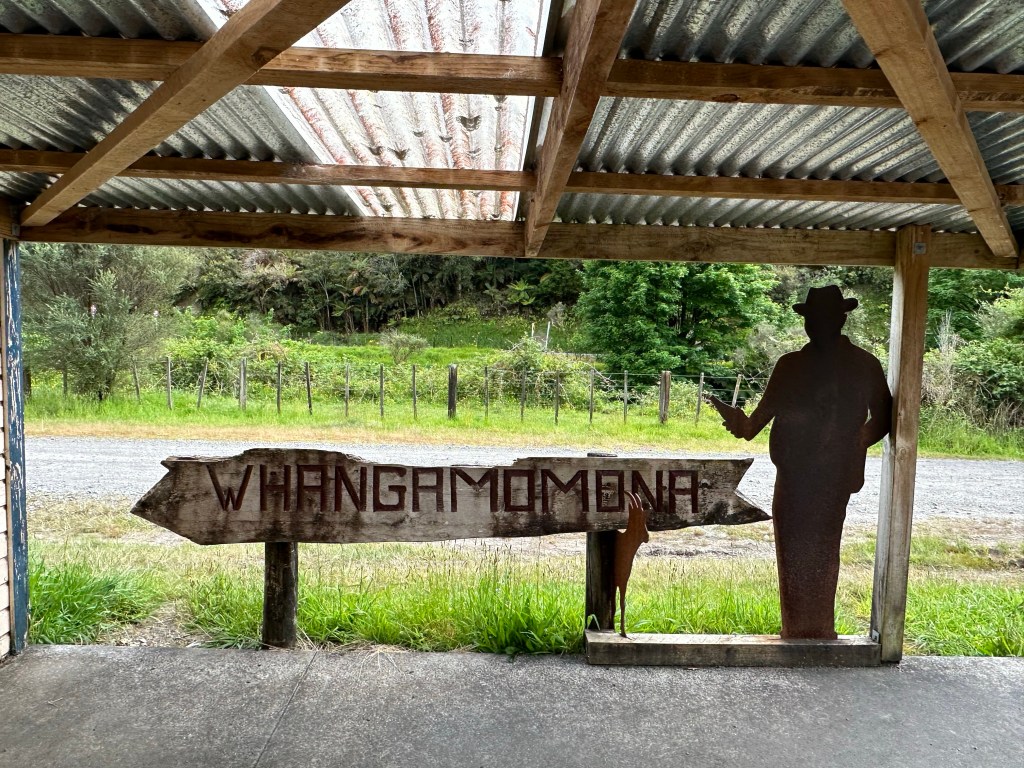
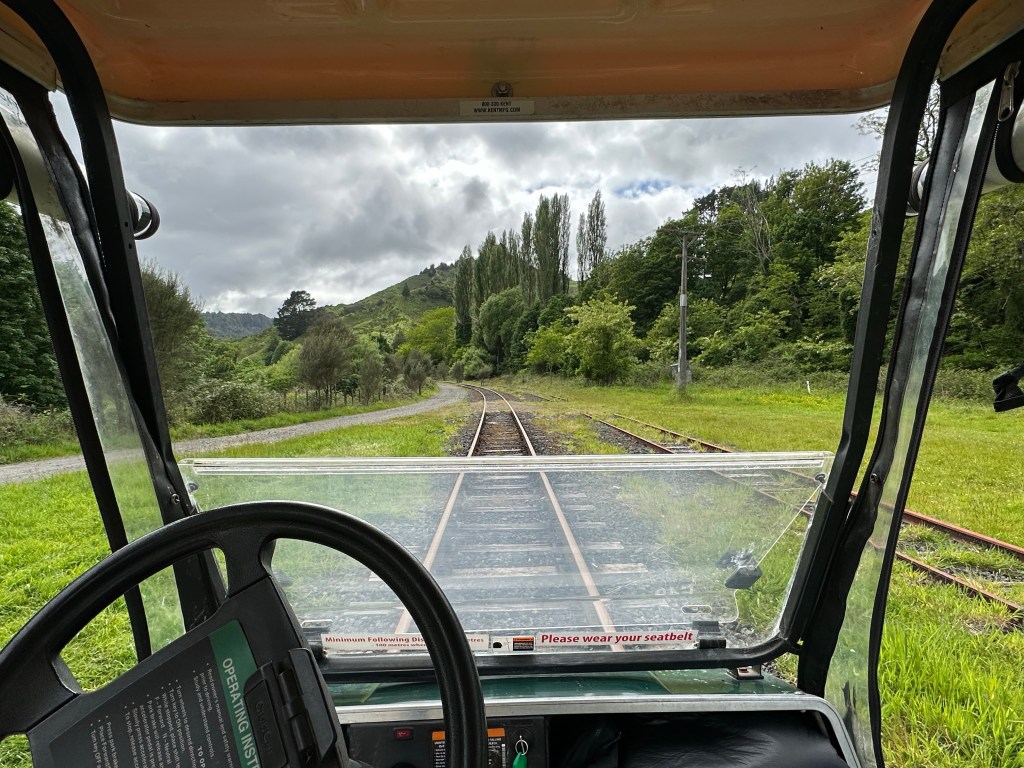
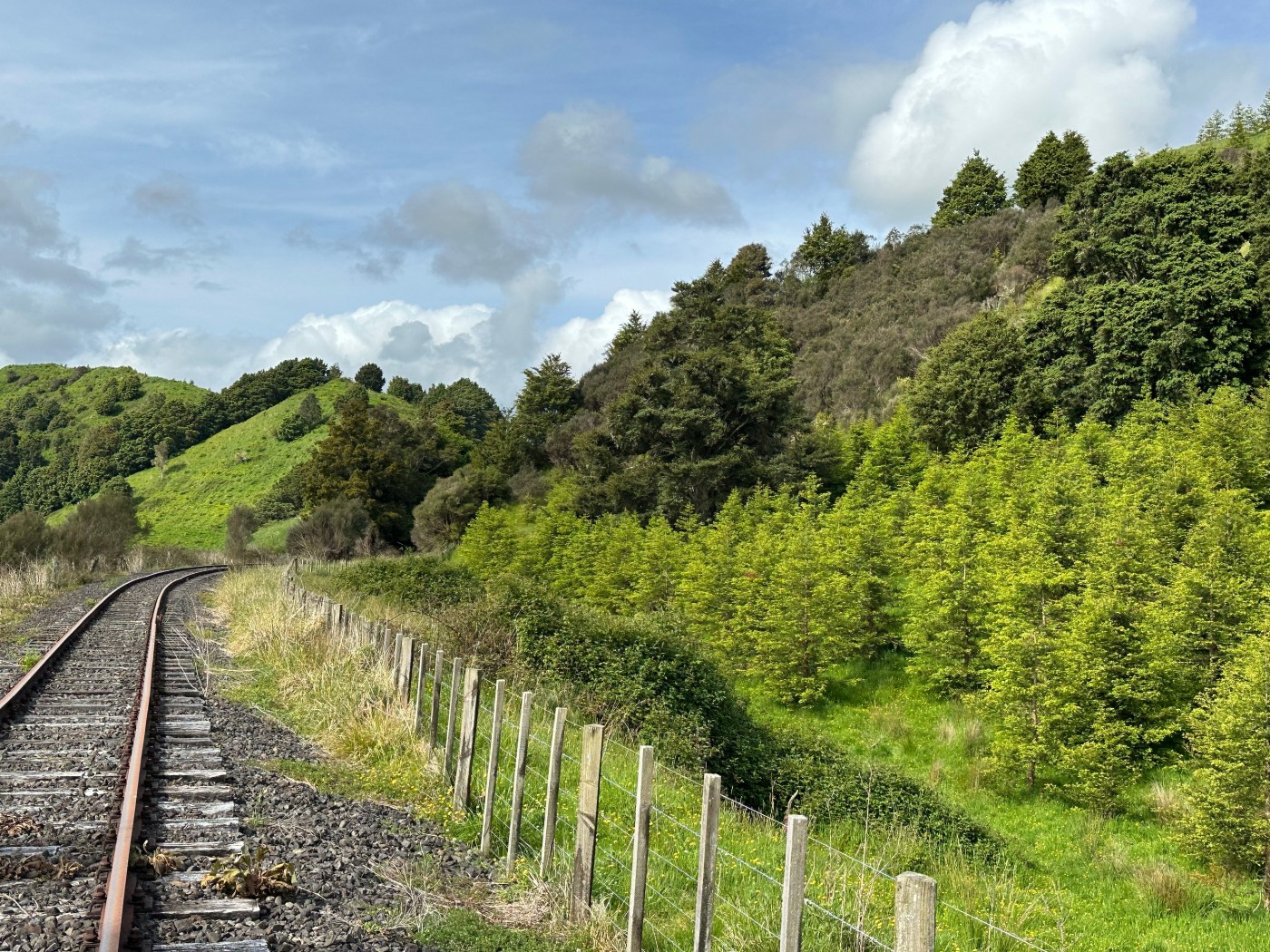
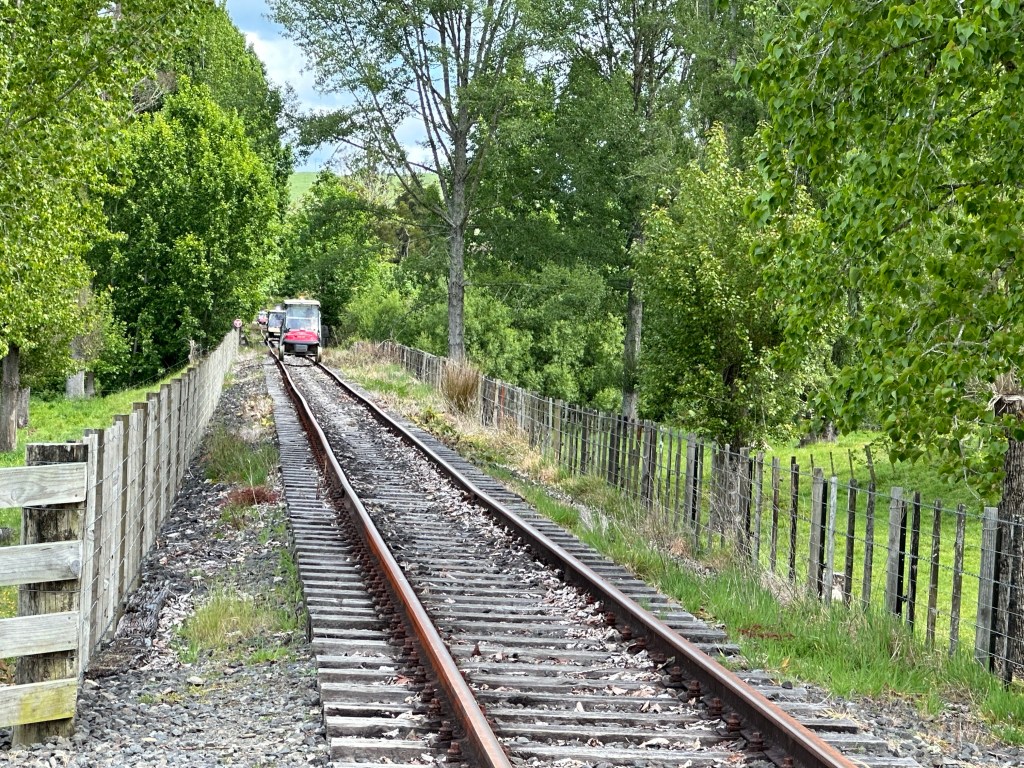
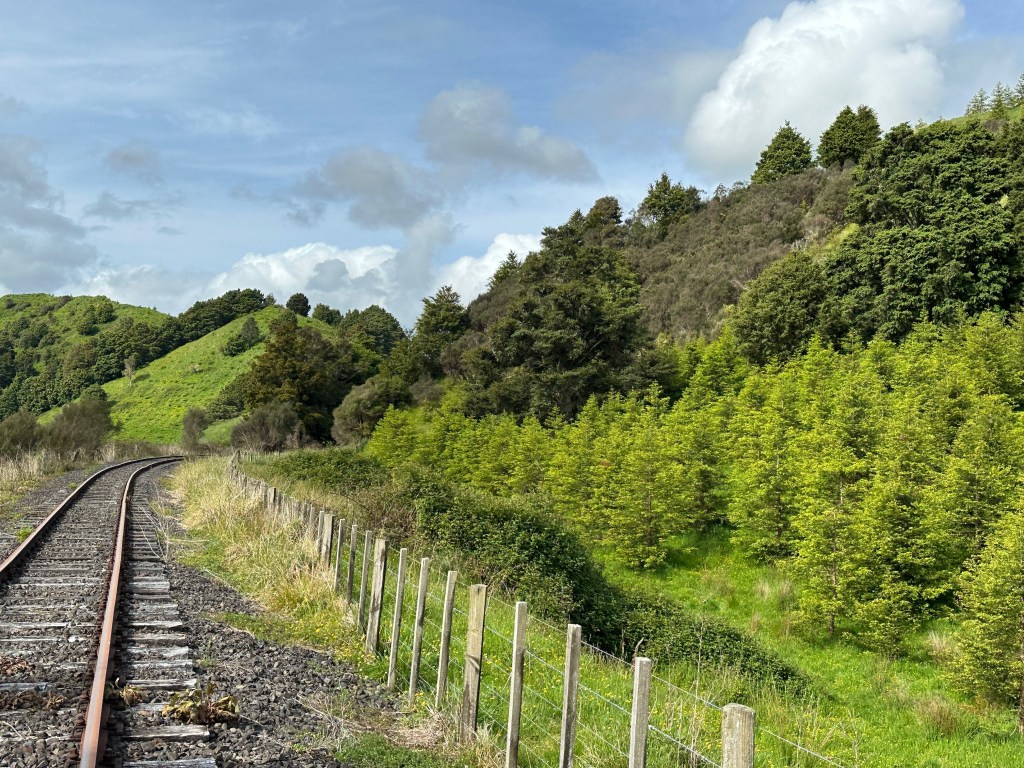
The rail line was conceptualized in 1894 to provide reliable transport between New Plymouth and Auckland, allowing for towns along the rail to get supplies and engage in commerce. Construction of the line began in 1901 and wasn’t completed until 1932 when the two ends were finally joined (construction started from the ends of each line and met in the “middle” in a long tunnel). The rail line ran until 1983. The ending of line was devastating to all the towns that had been built and grown along its passage as they could no longer get goods transported easily or reliably. By 1985 almost all of the small towns along the line were pretty much abandoned. Now, the only use of the lines is this golf cart tour though every couple of years the rail system does survey to consider if there’s a worthy chance to recommission it.
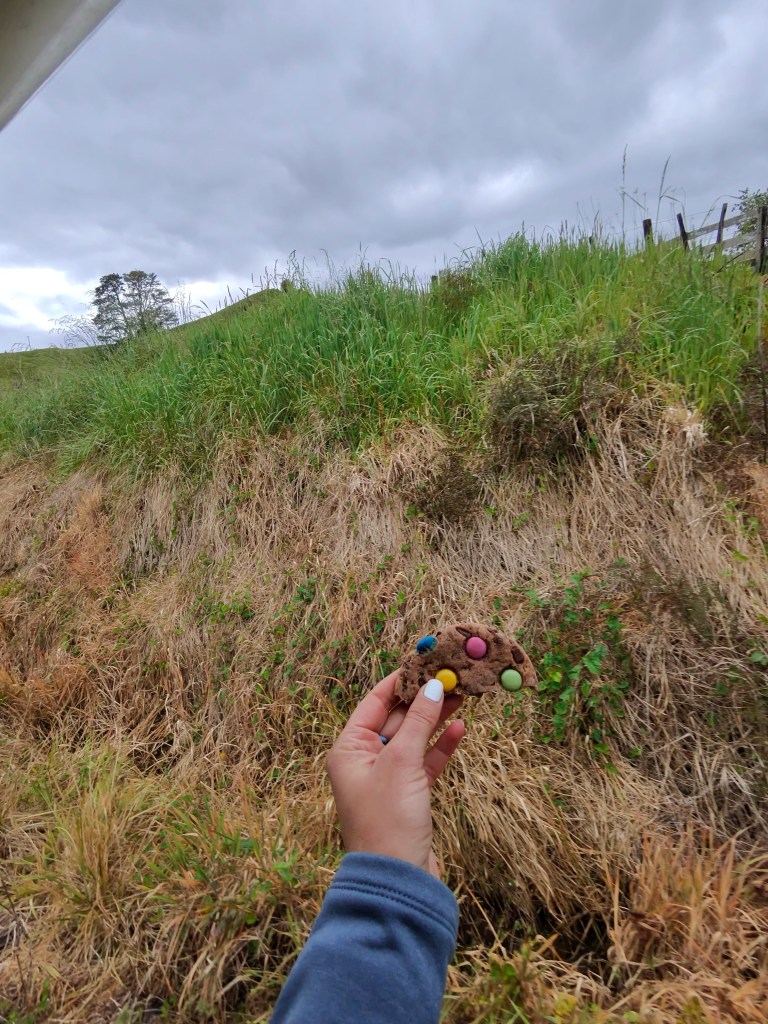
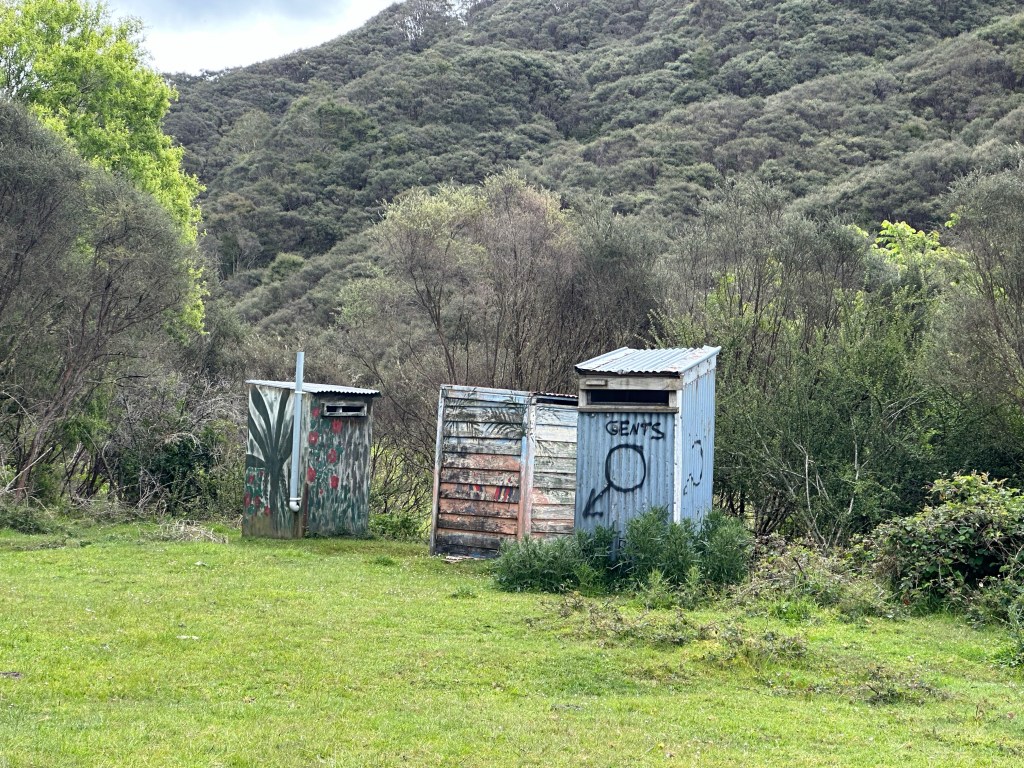
Traveling by golf cart rail is a pretty intimate way to experience the landscapes. We puttered through farmland, over ridges and bridges, and through tunnels, so many tunnels. Periodically, Lincoln would stop and we’d wait for all the other carts to catch up and stop so we could all step out and hear the history of distinct areas and landmarks. After the 2nd or 3rd stop I inquired when we’d be stopping for morning tea. Lincoln asked if I was hungry and upon my reply that I’m always hungry he pulled out a bag of chocolate chip cookies he’d brought for his own snack. I happily accepted half a cookie and again felt like I was in some weird peaceful alternate universe, gliding along a rail line, in a golf cart, up the Tahora Saddle, eating a cookie.
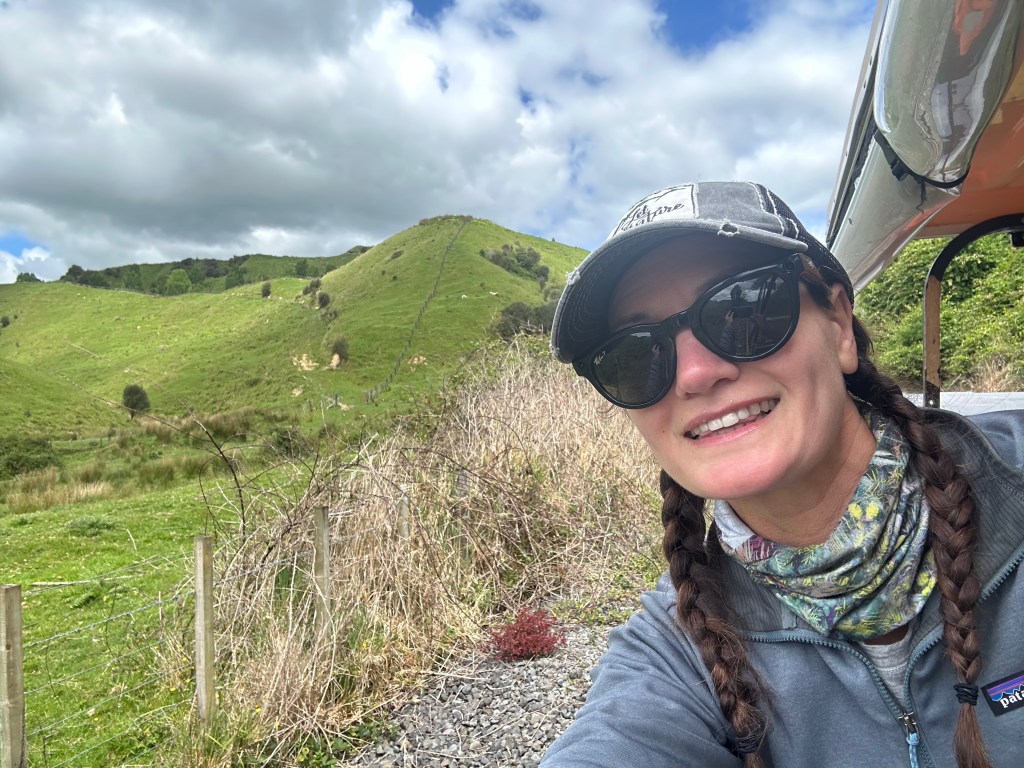
As we puttered along I learned that Lincoln has been a professional musician since 1982 and spent the last four years, before returning home to New Zealand, working in Australia doing Aboriginal Community Management. He fell into the community management job thanks to COVID and, without any details, shared that it was a tough job and he’s seen things that no person should see. Between that and his time as a musician this man must have some good pub stories. At age 58, he married his 3rd wife, a 21 year old dive instructor, underwater in the Cook Islands. Shockingly that marriage only lasted 6 months. And now here he is, for the last year just having fun leading these tours. Lincoln’s history is just as fascinating as that of this rail line!
At our stop for morning tea, a spread of teas, coffee, and these delicious little sticky cakes called Fay’s Mumbles, were set out. The sweet sticky cakes had such an interesting texture and density that I didn’t even realize they have raisins, my biggest nemesis, in them! I was disappointed as this stop was also by a honey production facility that sources from the manuka trees that dominate the hillside but they had no honey available for sale because last season was terrible due to the rains. Lincoln explained how they source the honey and that manuka is also known as tea tree. Talk about a mind blown moment for me. I had no idea that manuka and tea tree were the same thing! It makes total sense though because manuka honey and tea tree oil are both MVPs as healing ointments.
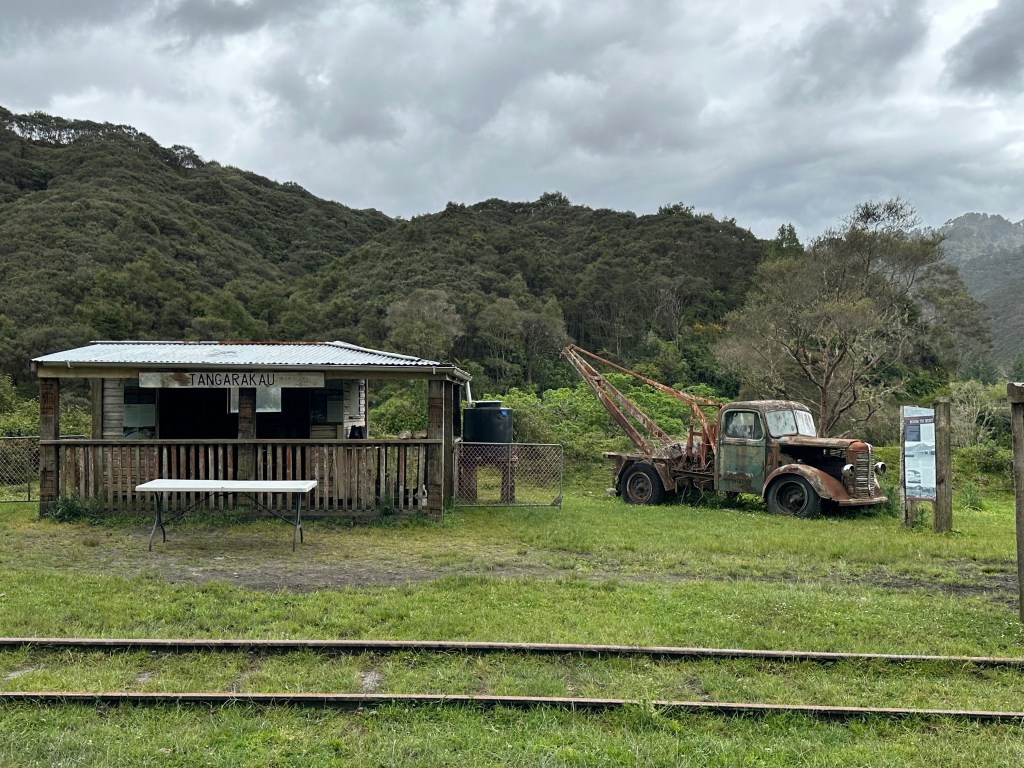
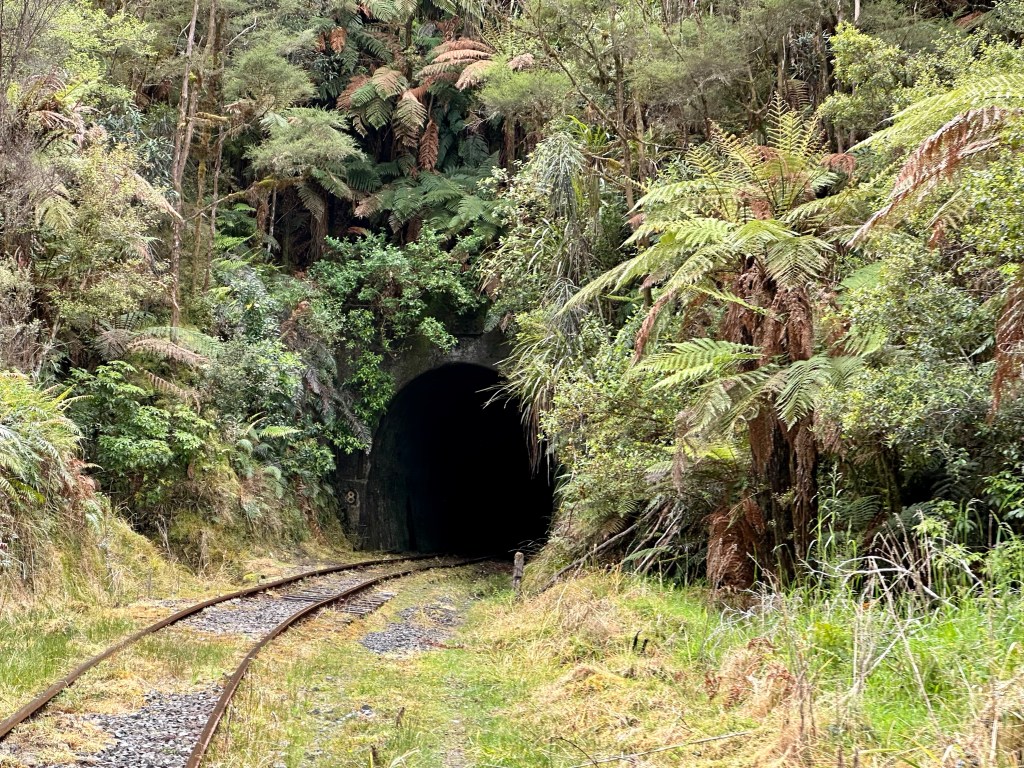
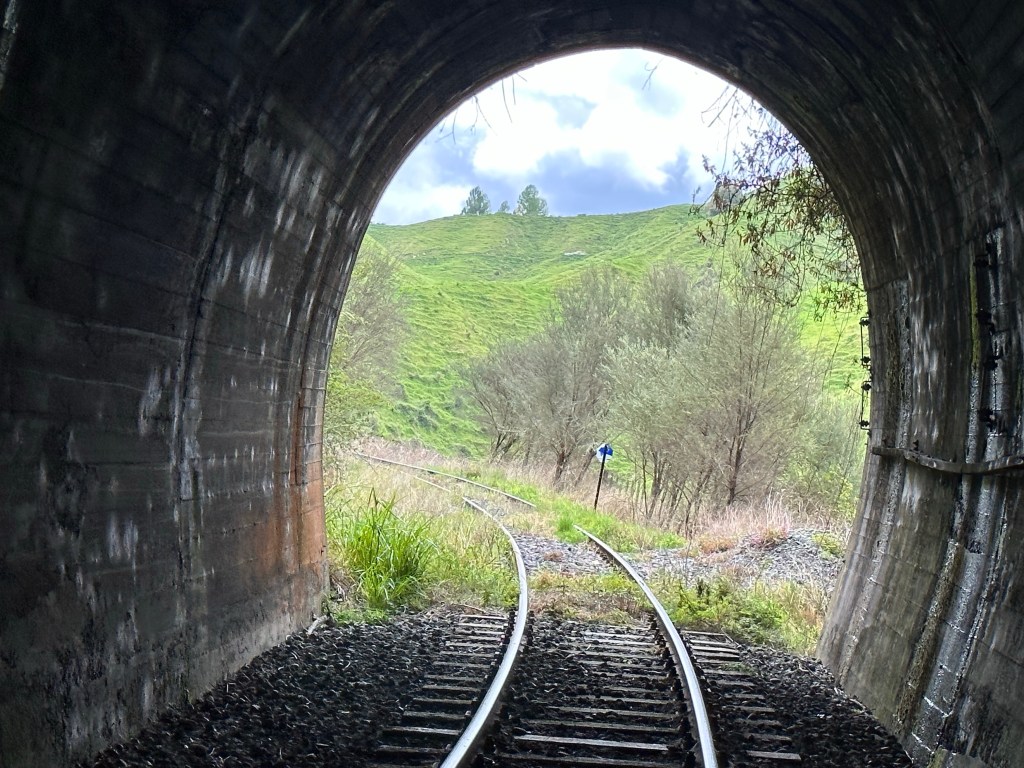
After our morning tea Lincoln explained that we would be heading into a series of underground tunnels and so it’d be best to layer up as it would be cold. He wasn’t joking. As I watched him pull a heavy jacket, beanie, and gloves out of his pack I followed suit. When a guide layers up, I layer up. And boy am I glad I did. The tunnels were frigid. It felt a bit disconcerting being on an abandoned line, in a golf cart, in a tunnel under the hillsides but coming out of each was a greeting of a picturesque view framed by the round tunnel.
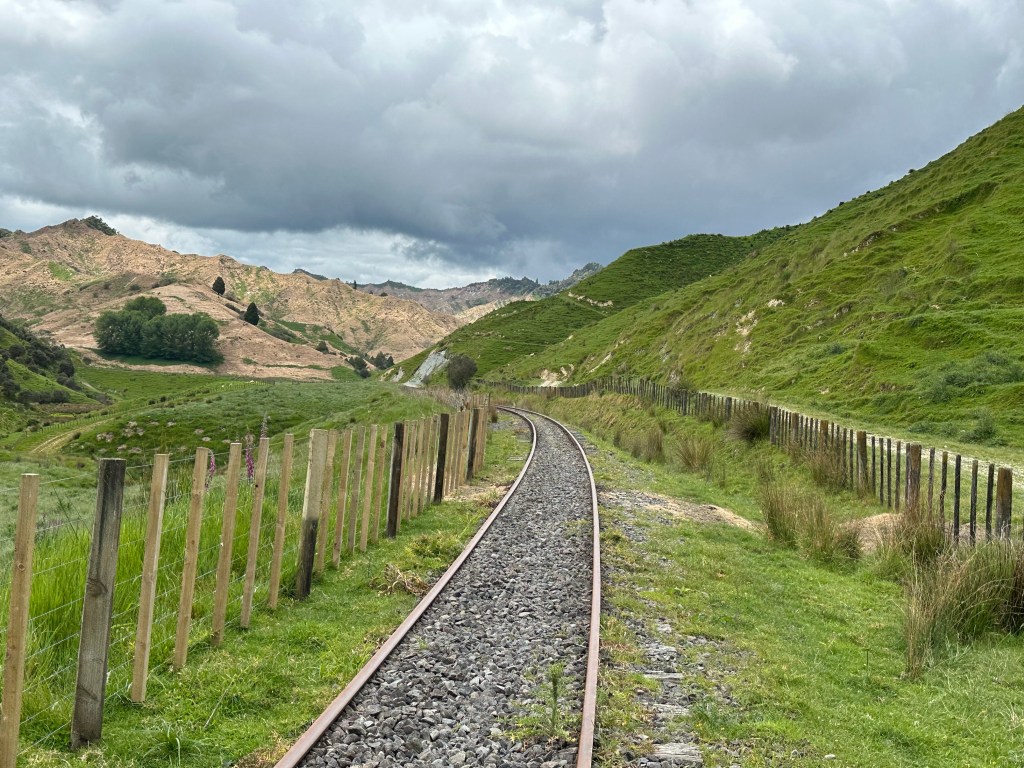
With brown hillsides appearing in front of us I asked Lincoln what that was all about since it’s not a usual sight. Ahh, here we go, time for the carbon credit discussion! He explained to me that large corporations were buying up farmland in New Zealand; they used aerial spray to kill all the grass and then planted California redwoods, because they are fast growing, in place on the hill sides in order to get carbon credits. There were no plans to manage these newly established forests, they are simply a business practice. In contrast, he pointed out that we could also see where trees were growing on a lush green hillside – the brown and green hills literally butting up against each other. On the green hillside was an example of an actual farmer reforesting. The farmers are also farming for carbon credits, to a lesser extent, but do it in a more environmentally sensitive way. The farmers do not kill the grass but they do plant some California redwoods that will be thinned in 10-20 years when they mature. At that point, they will then plant native bush, using the redwoods as protection for the native bush so it can regrow to its natural state. I suppose I have heard the phrase “carbon credit farming” before but I never really conceptualized it until seeing this example, and the stark contrast of the two methods, directly in front of me. It is infuriating that foreign business are able to come in and mar this beautiful country for their own greedy offsets. At the next stop, Lincoln explained the carbon credit farming to the entire group but to a much lesser extent and minus the political commentary.
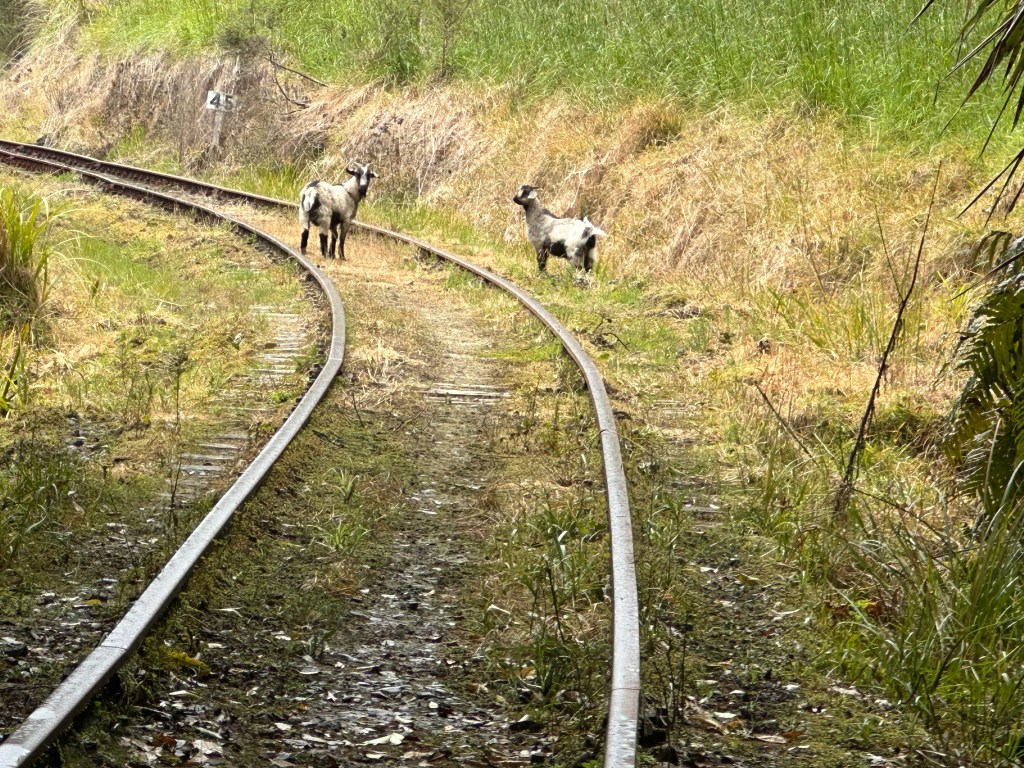
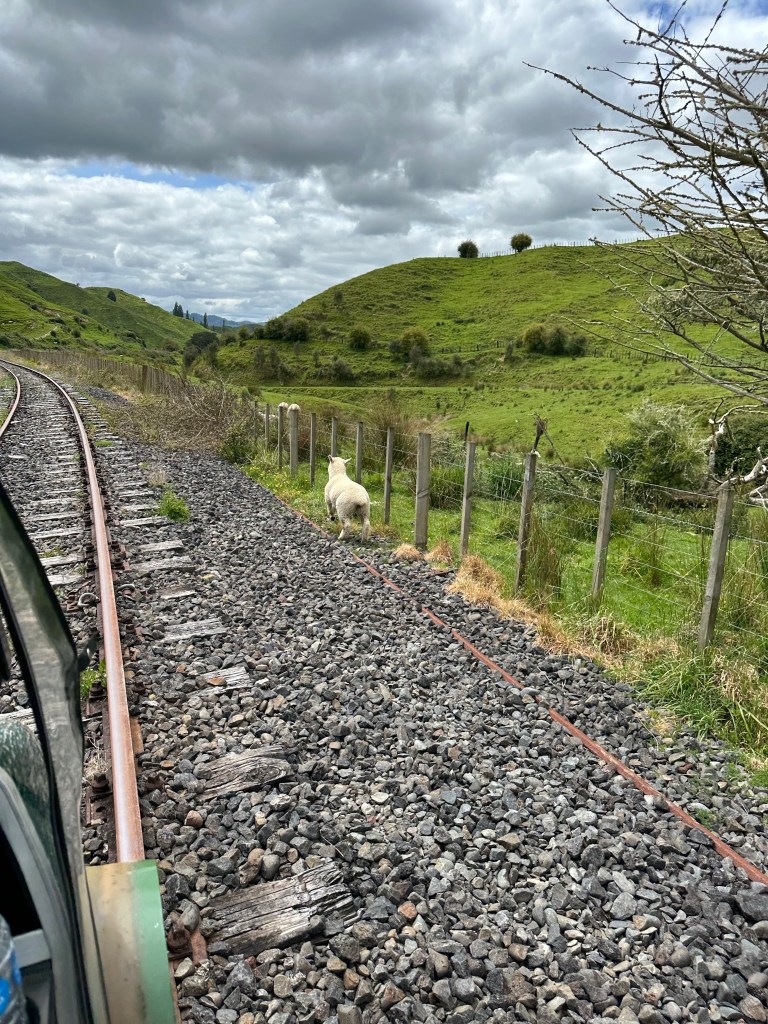
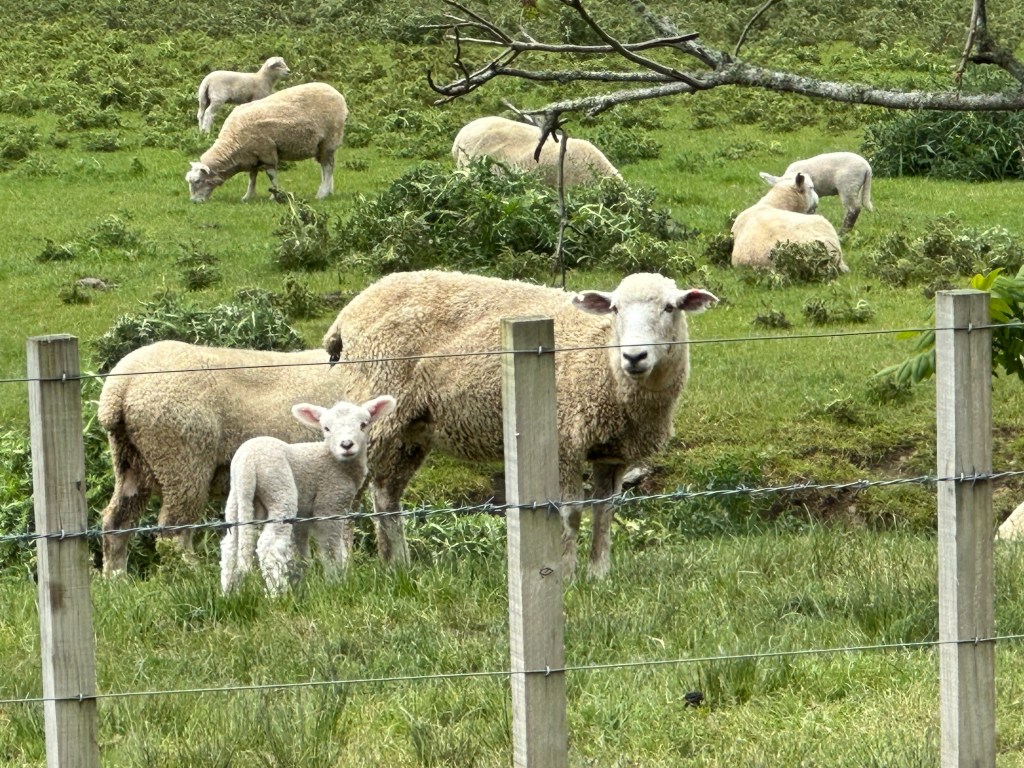
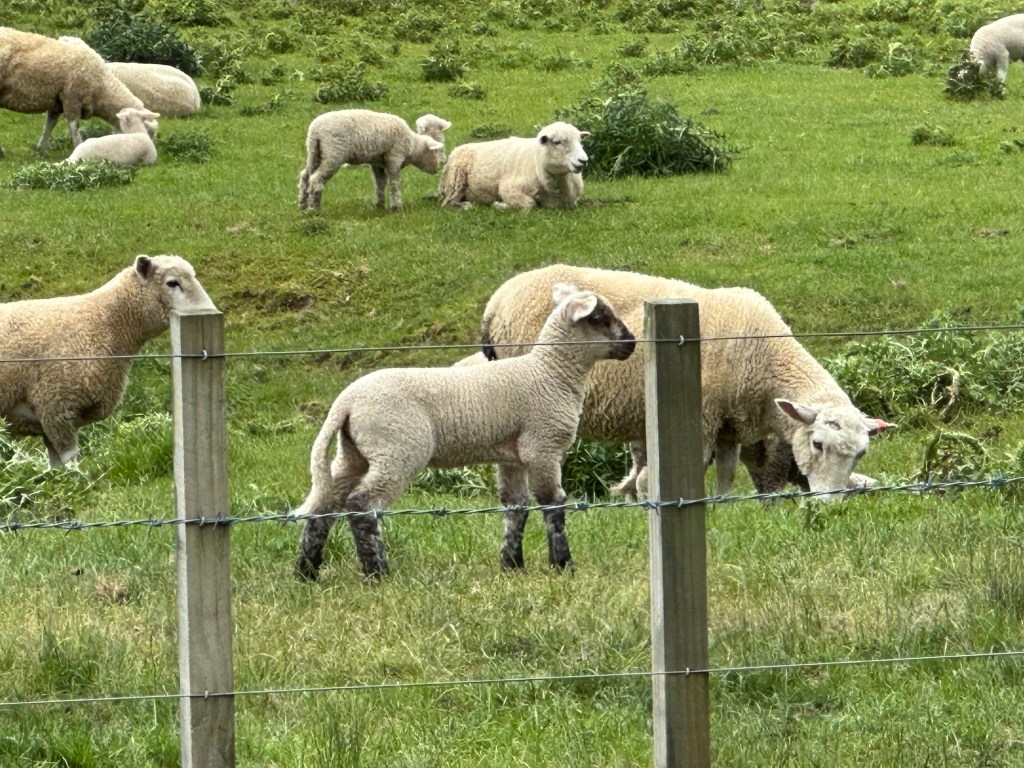
Continuing on the rail line, as the lead car, we got “lambushed” – a possibility that Lincoln had warned us of when we first set out. Literally, loose lambs running along the rail. They are more skittish than the loose goats we had encountered and Lincoln slowed our cart, trying to herd them off of the lines so they wouldn’t also pose a hazard for the carts behind us. I felt bad for the scared little lambs with their fluffy butts running along the tracks. Speaking of lamb butts; did you know that they are born with long tails that have to be docked? A paddock further down the line was full of fresh little lambs with their mamas and they looked so funny with long cottony tails. In my animal rights righteousness I was aghast at the docking of the tails, and even moreso that they don’t do it until they are 3-4 months old and it hurts. But Lincoln and Farmer Dave both explained to me that if they aren’t docked they are prone to some terrible fly infestation situation that is truly deadly and causes great suffering. Alright alright, maybe there’s justification. I’m partly convinced.
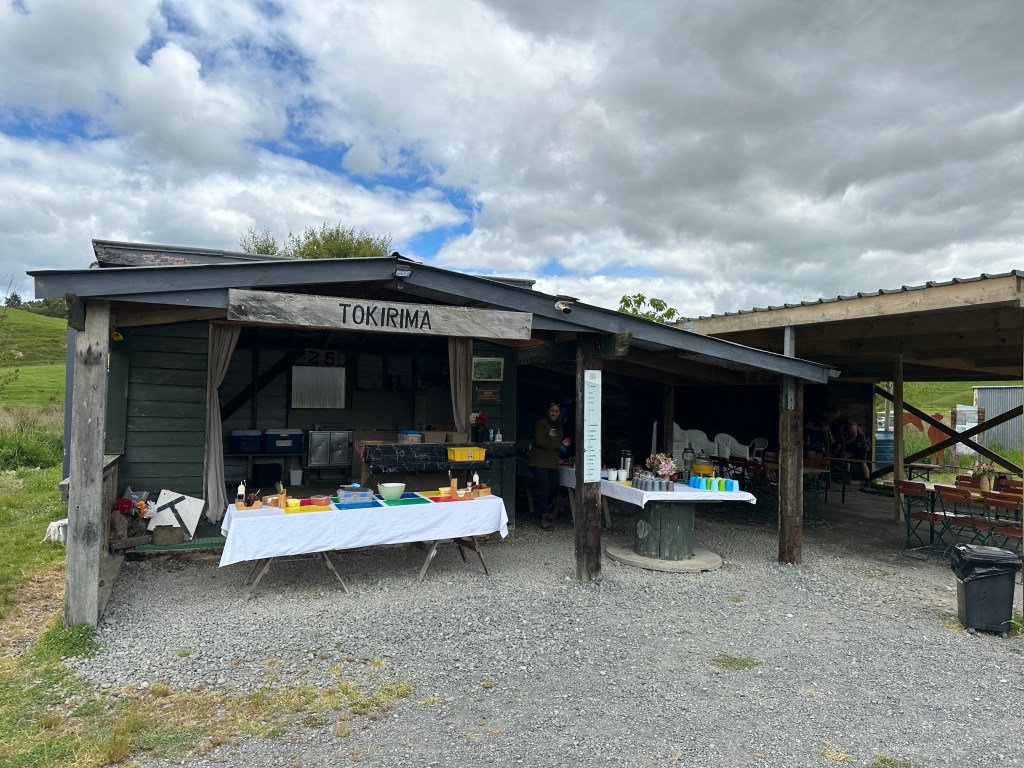
We stopped for a lunch of build-your-own sandwiches and I chatted with the other solo female traveler on the journey; a German who lives in Switzerland and owns a New Zealand focused travel agency. She is traveling for three months to visit sights and tours to help her formulate itineraries for her clients. Talk about a dream job!!! Though traveling alone for that long of a stretch at a time is not a dream.
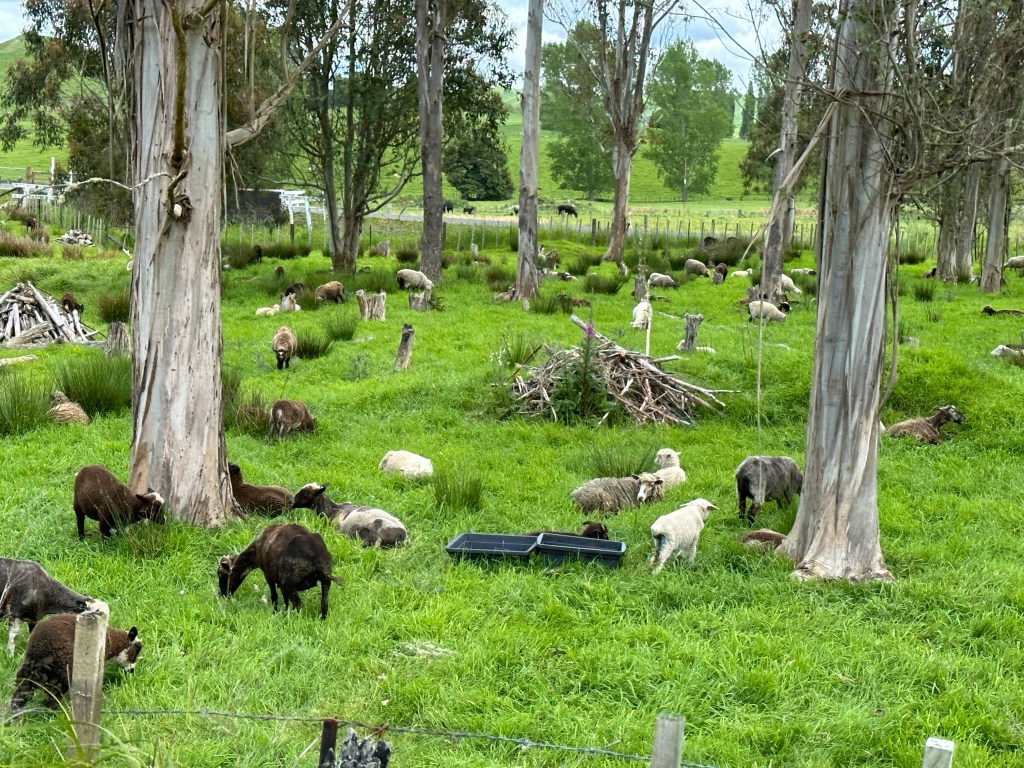
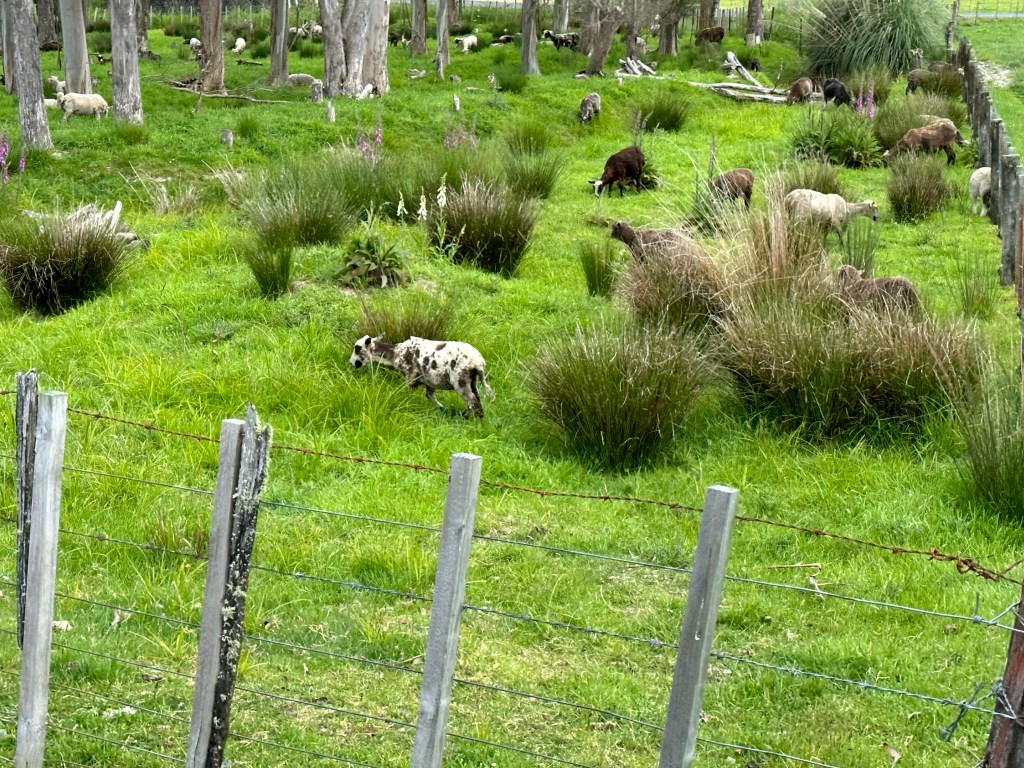
After lunch we had a long 40 minute span of rail time between the next few historical stops and afternoon tea. By this point it was 3:15 in the afternoon and I’d been in a cart or socializing over tea or lunch all day and I was getting to a point where I was over it. This is a super cool outing but it makes for a very long day. It’s also a chilly day and I’m sick of being cold in the breeze of the golf cart. And the views don’t change that much. Sure there was the occasional difference, like a pasture with black sheep instead of the usual white, but it was feeling redundant and I needed some quiet time. Thanks to my Meta sunglasses, I slyly turned on some music and zoned out to my tunes, having to stop myself from singing along. This is a really cool experience and I’m glad I did the full day because it was their only tour option down to Whangamomona but when I’m on my solo adventures it really is about me being in touch with myself and I needed that time again.
Afternoon tea at Matiere, a town consisting of a bar, community hall, and two other small buildings felt like it dragged on. But the cookies were good. All the tea was caffeinated and I don’t do caffeine in the afternoon so I kept to myself, sipping on water, and trying to not let myself slip into such an “over it” mood. If I wasn’t sick of being cold I don’t think my mood would be turning as quickly.
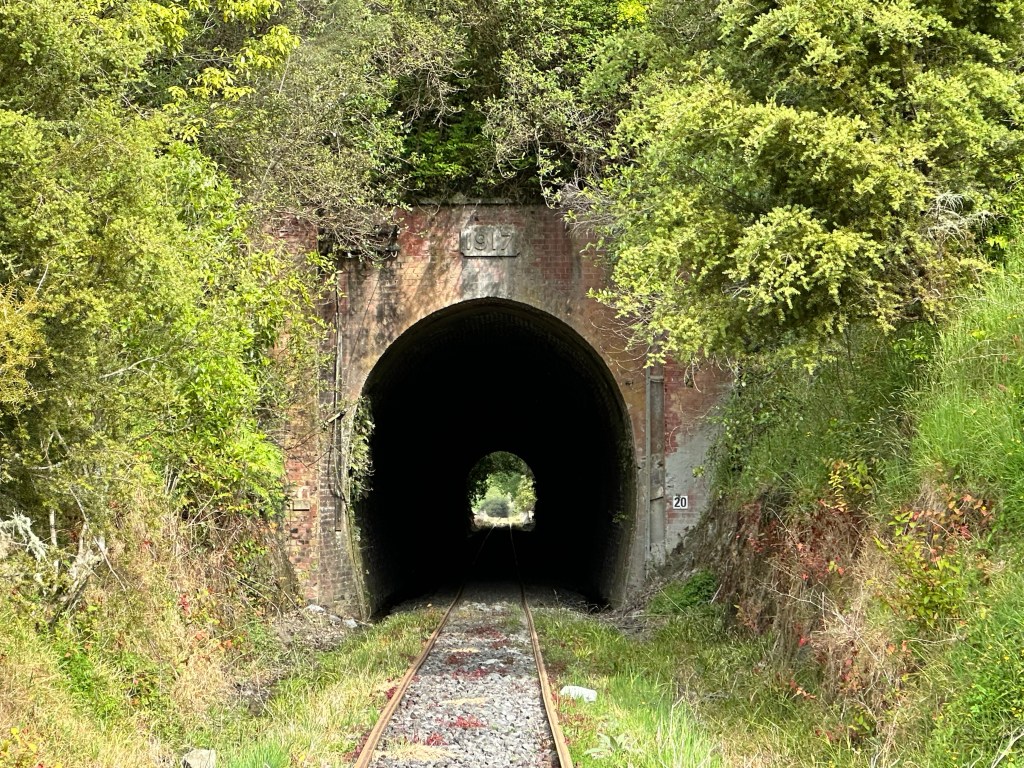
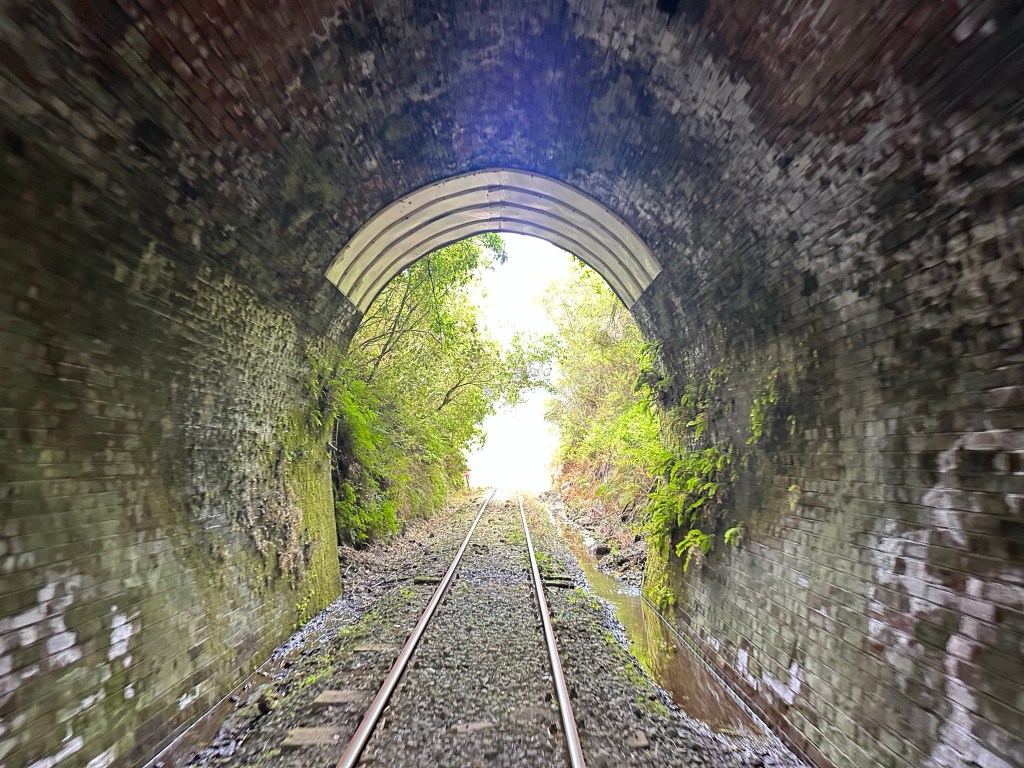
Leaving Matiere, there were prime examples of baby redwoods being carbon credit farmed on hillsides; in this instance they’d only poisoned the grass directly around where each tree was planted so the hillside had a patchwork pattern. The tunnels here were constructed differently than previously, these with brick. When I remembered to take my sunglasses off they were quite beautiful inside. Our final stop of the day was inside the longest tunnel; at 1.5 km long with bends at each end, not a stitch of light makes it to the center. Lincoln had all the carts turn their lights off so we could experience the absolute pitch black. Now I didn’t mind moving through the tunnels but after a couple minutes I was getting really antsy being stopped in the middle of one; let’s get moving people!
Experiencing these gorgeous lands via rail in a golf cart is an awesome off-the-beaten path experience that I would highly recommend but it was so nice to be warmer again once we reached the end of the line and hopped back in a shuttle bus for the ten minute drive back to the Forgotten World Hotel.
It was close to 6pm now, and since Taumarunui actually has some shops and restaurants, making sure I find dinner here is a good idea before I head back to my remote AirBnB. After a short little walk to stretch my legs I surveyed my dinner options; Indian, Thai, or McDonalds. The Indian restaurant was empty and the Thai filled with patrons so I chose Thai. Munching on my cashew chicken I tried to take advantage of the restaurant wifi to upload pictures and videos; no dice.
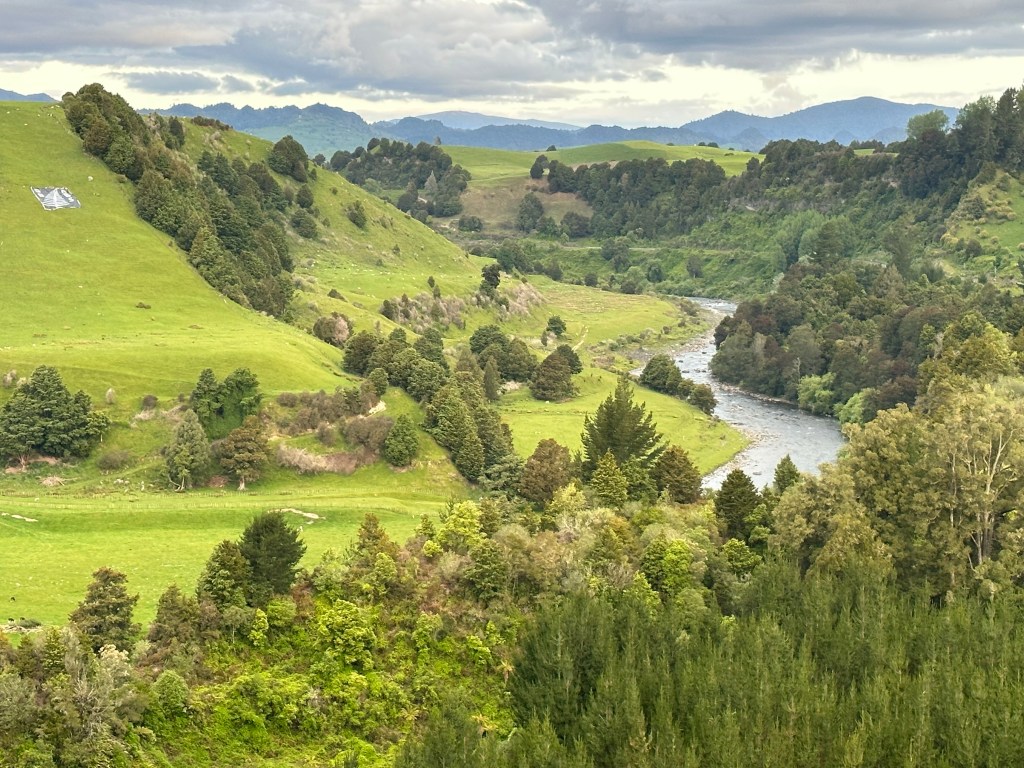
On the way back to my AirBnB I remembered to pull out at a little lookout I drove by yesterday and wow am I glad I did; the view of the valley below is simply stunning. I’m not in a hurry here, I need to remember to pull over at any viewpoint I see while I’m traveling through these majestic lands.
I am glad to make it back to my little treehouse lodge before dark because my goal is to avoid coming up this steep narrow road without daylight! Tomorrow I was supposed to leave at 5:30am to catch the 5:45 shuttle to the start of the Tongariro Alpine Crossing, and spend my day on that magical trek but alas the weather will not cooperate; since I am registered for the shuttle and with the park service to the do the hike I just received an email that all shuttles to the start of the trek are cancelled tomorrow due to the bad weather. No clue what I’ll do with myself now but I think I’ll just see how the weather is in the morning and what’s viable at that point.
 Taking On the World
I am so glad to know you and experience your adventure. Love your story telling and look forward to each day. Love you.
LikeLike