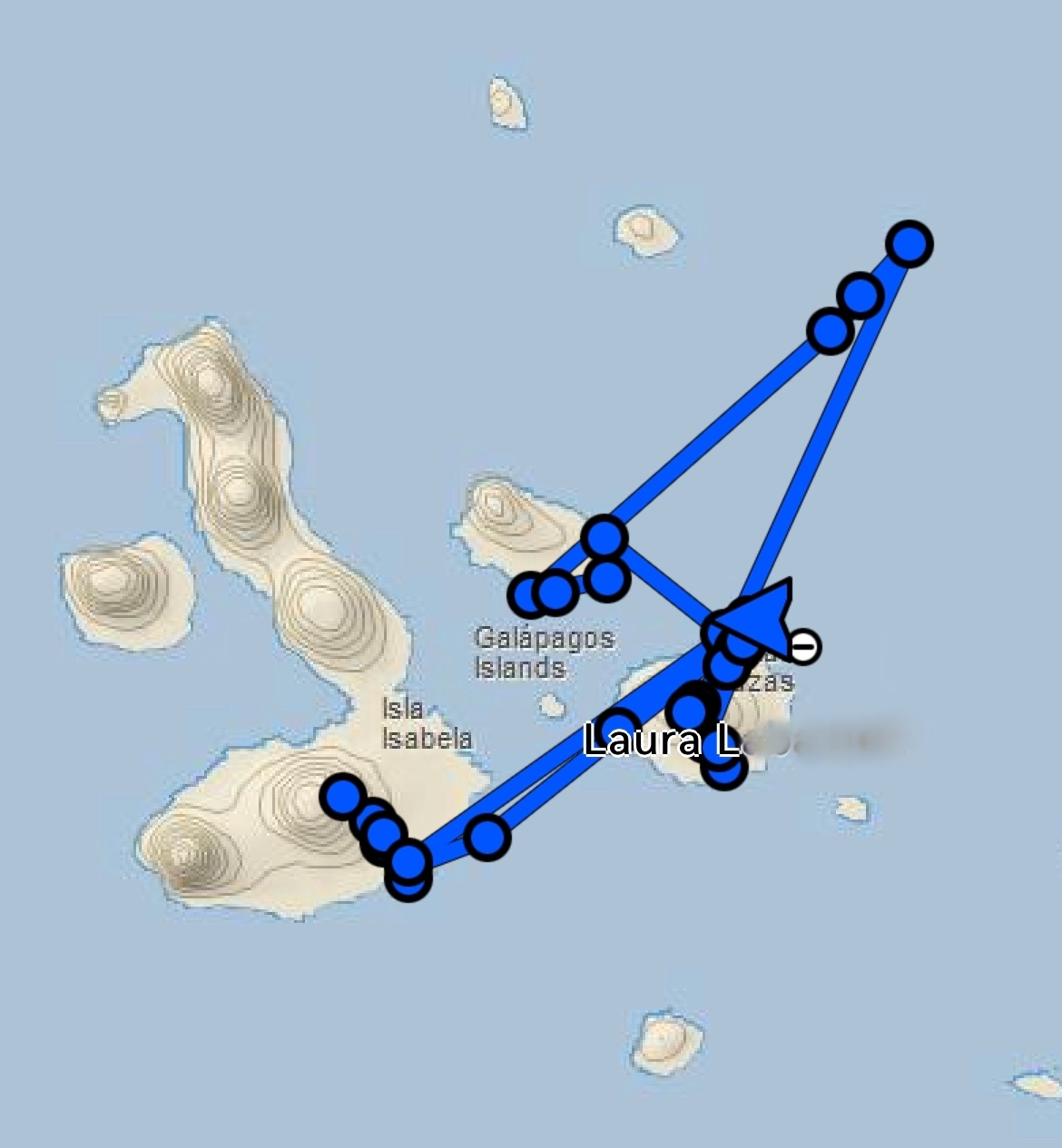
When structuring my adventures, I’ve always found it helpful to read through travel blogs and suggested itineraries to help me structure my own. Here is a breakdown of my days in the Galápagos for easy reference and some lessons I learned:
Day 0: Depart US (I flew from LAX) on a redeye flight.
Day 1: Arrive Guayaquil around 11:30am and check into this AirBnB for the night.
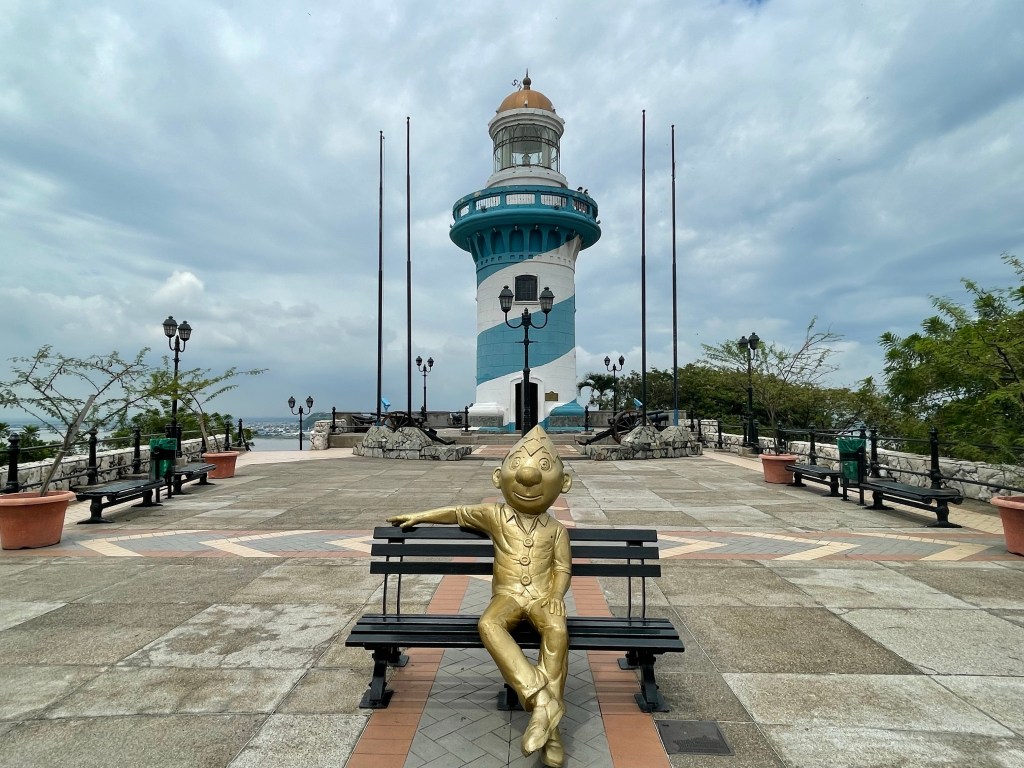
– Climb the Cerro Santa Ana steps and take in the views from the Lighthouse at the top.
– Take a taxi to the Parque Seminario (Iguana Park) to see all the iguanas hanging out in the middle of town.
– Eat at La Pata Gorda, directly across the street from the park. Make sure you have the Amorfinos del Centro.
– Walk back to the AirBnB along the Malecon 2000 and get an early night’s rest.
Day 2: Early morning flight on Avianca from Guayaquil to Baltra (you can also fly Latam but I did not and have no experience with them). Make sure you book the right fare class! The cheaper fare classes are only for Ecuadorians and you will get hit with a significant surcharge at the airport if you book it wrong. Get to the airport early and book the early flight so it’s not as busy as you’ll need to get your Transit Control Card and have your luggage screened before you can even check-in for your flight at the counter.
– Fly to Baltra
– Take an Emetebe Air Taxi from Baltra to Isabela. Book the co-pilot seat as a bonus. Have Emetebe arrange your transportation to your accommodations on Isabela for ease.
– Check into this amazing AirBnB and let yourself be in awe that you’re in the Galápagos.
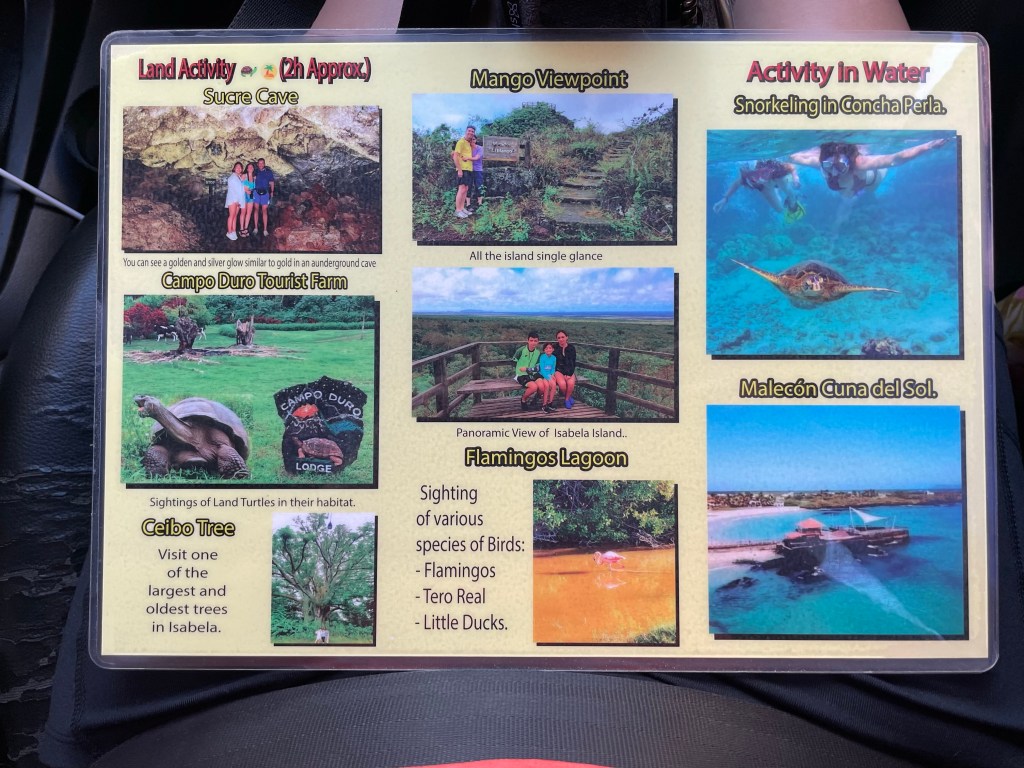
– Take a little tour with a guide (my driver from the airport offered such services and picked me up an hour after he dropped me off for my tour) to visit Sucro Cave, Campo Duro Tourist Farm, Mango Viewpoint, and a flamingo lagoon.
– Eat dinner at Maestro de Casa.
Day 3: Get the day started early with a sunrise circadian walk down the beach to ground yourself.
– Walk the wooden boardwalk through the Flamingo Lagoon to spot the flamingoes, marine iguanas, and more.
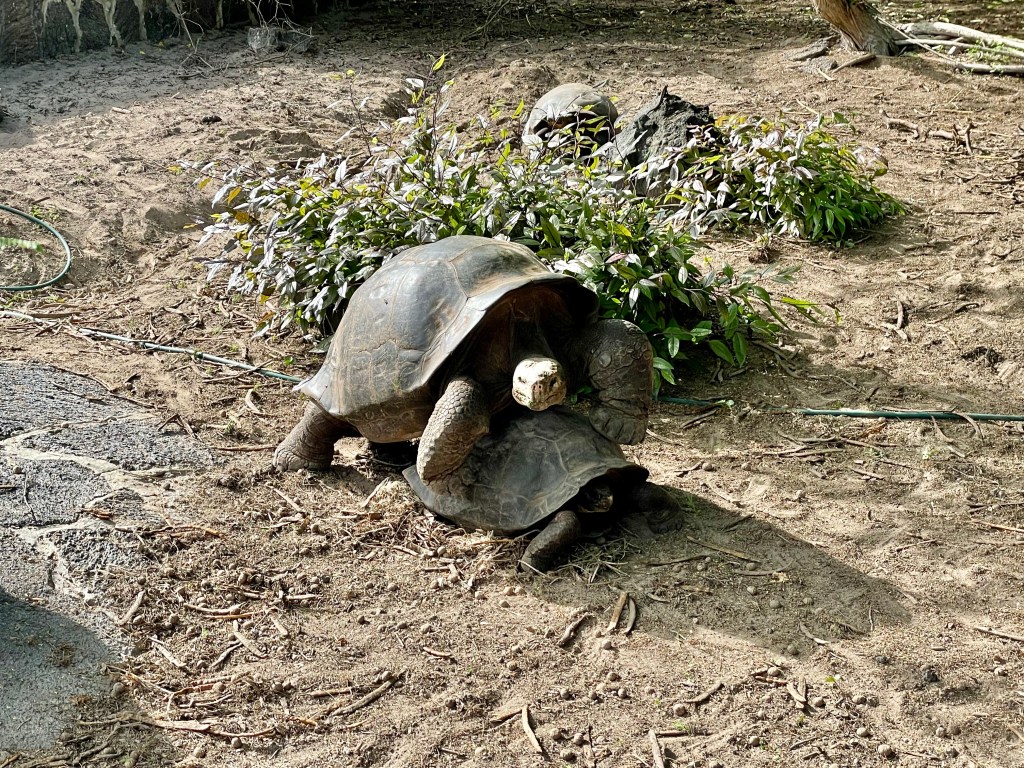
– Arrive at the Arnaldo Tupiza Tortoise Breeding Center for a tour (get there when they open, the tortoises are most active in the morning and they feed them Monday, Wednesday, and Friday mornings).
– Breakfast from Pan y Vino
– Rent bikes from one of the myriad agencies on the main road and ride to the Wall of Tears. Stop at the Cerro Orchilla viewpoint and climb the stairs to the top. Continue on until you get to the Wall of Tears (Muro de las Lagrimas), approach the wall and make a left turn to find the staircase at the end of the wall and climb the stairs/follow the trail to the viewpoint beyond the wall. Ride back to town and grab lunch.
– Take the afternoon Tintoreas boat excursion, scheduled thru Agora Tours but all the tour agencies end up together, with its islet stroll and snorkeling.
– Dinner at Royal Rock (it was just ok).
Day 4: Still no sleeping in! Get up, eat something, and get ready.
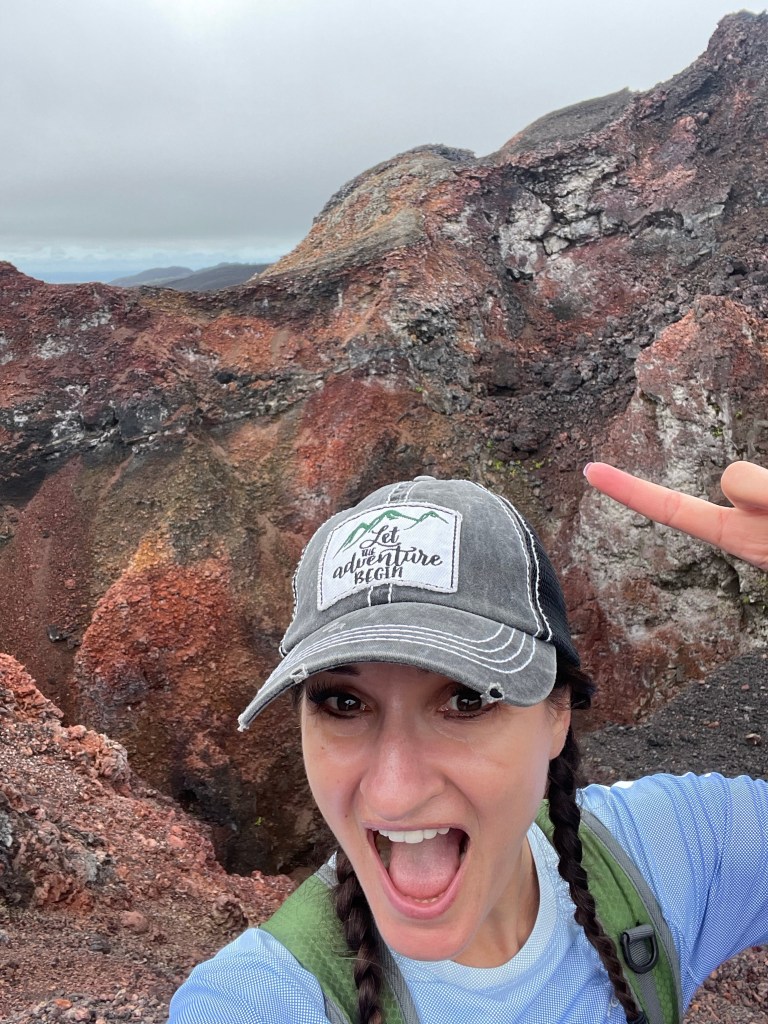
– Take an excursion to the Sierra Negra Volcano and do the side hike to Volcan Chico. Hire Carlos from Agora Tours to be your private guide (or go with him and a group). Trust me, call him. He can help with other tours too and was an awesome guide. Carlos can be reached at +593 96 938 8095 (we did all our planning on WhatsApp).
– After the hike, rent bikes and go back towards the Wall of Tears to check out all the stops skipped over yesterday (El Estero, Tunel del Estero, Playa del Amor, Los Tunos, and La Playita).
– Ride back through town and visit Concha de Perla. Visit the Isabela sign at the main beach on the way back.
– Dinner again at Maestro de Casa because it was that good.
Day 5: Time to leave Isabela, definitely wished I had another day at least.
– One last early morning walk down the wooden boardwalk to see the flamingos and back down the beach.
– Take an Emetebe Air Taxi from Isabela back to Baltra.
– Meet the Coral Yacht crew at the airport and get ready to cruise for a few days! The itinerary is now dictated by the cruise.
– Lunch on Santa Cruz at El Muelle de Darwin in Puerto Ayora.
– Visit to the Darwin Research Center.
– Onto the yacht for dinner and to call it a night.
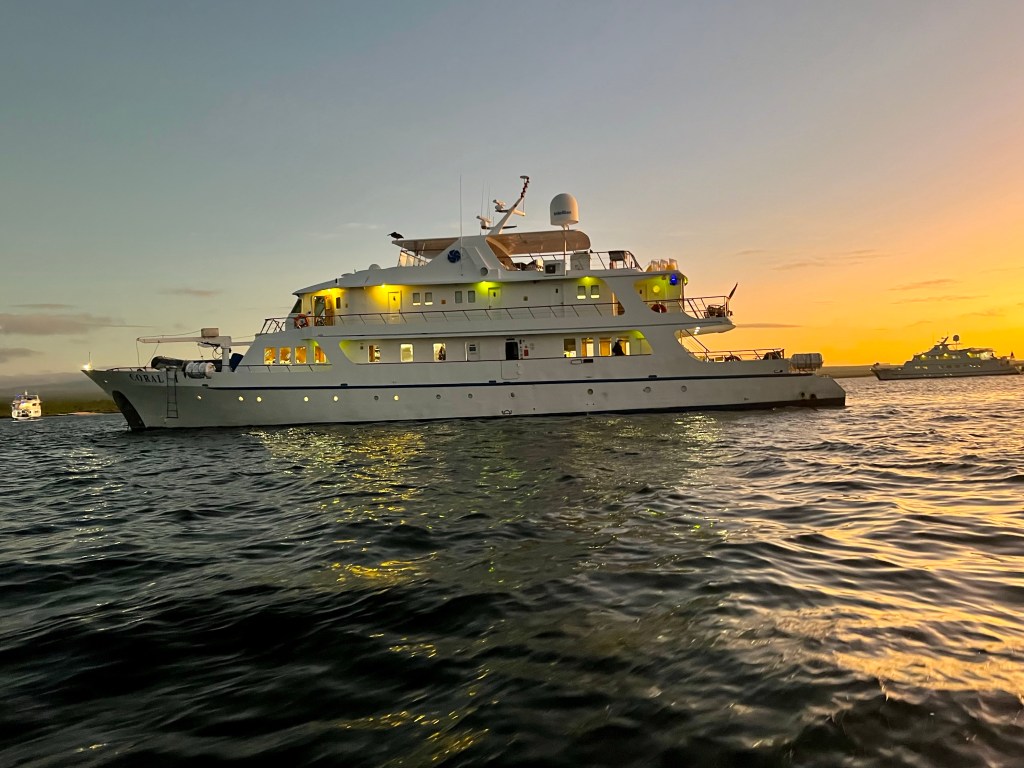
Day 6: Wake up on the yacht in awe that you’ve crossed the equator again.
– Morning visit to Genovesa; El Barranco, Prince Philip ́s Steps. Hiking tour of the incredible birds and then snorkeling.
– Afternoon visit to Darwin Bay, on the other side of Genovesa, for a short walking tour and snorkeling.
Day 7: Wake up on the yacht super excited to see Rabida outside your window.
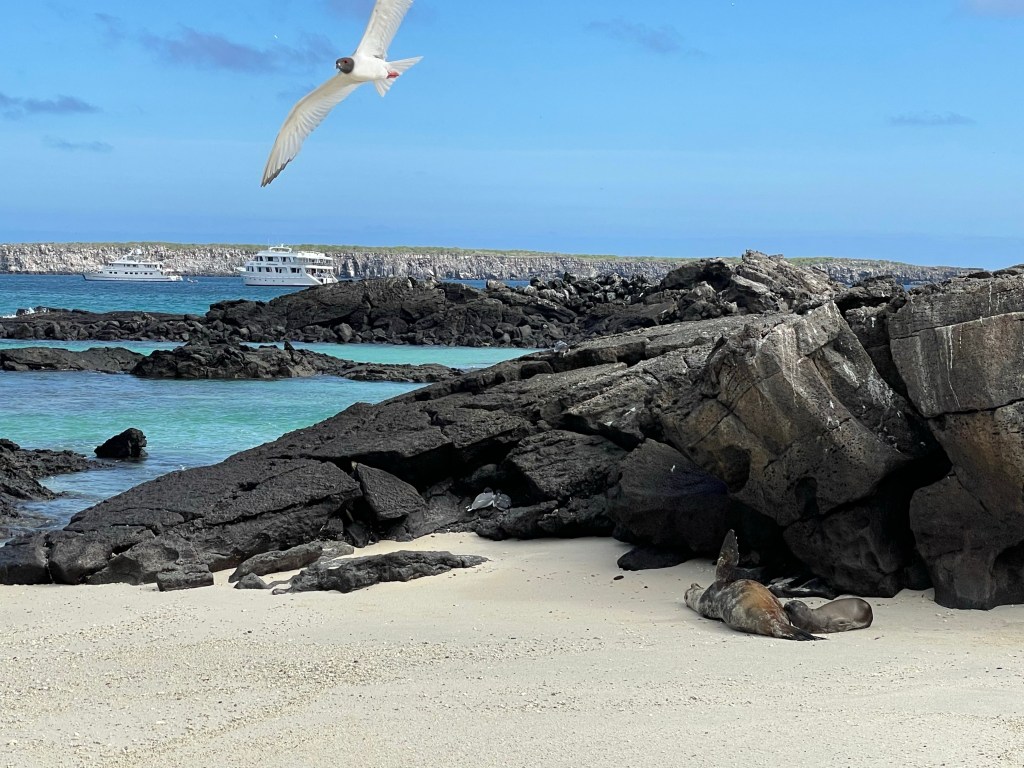
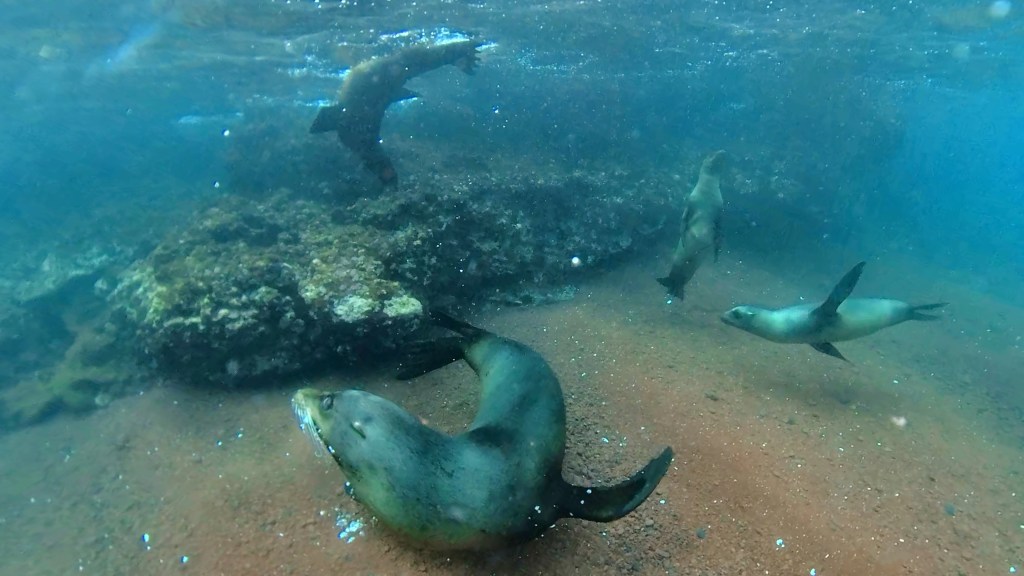
– Morning vist to Rabida! Beautiful hike and snorkeling with so many curious sea lions.
– Afternoon visit to Bartolome Island. Snorkel with penguins and later hike up the steps to the viewpoint atop the island.
Day 8: Wake up sad that you aren’t staying on the yacht longer.
– Morning panga ride through Black Turtle Cove (northern part of Santa Cruz Island).
– Disembark yacht and check in to AirBnB in Puerto Ayora.
– Lunch at TJs.
– Walk the trail to Tortuga Bay Beach.
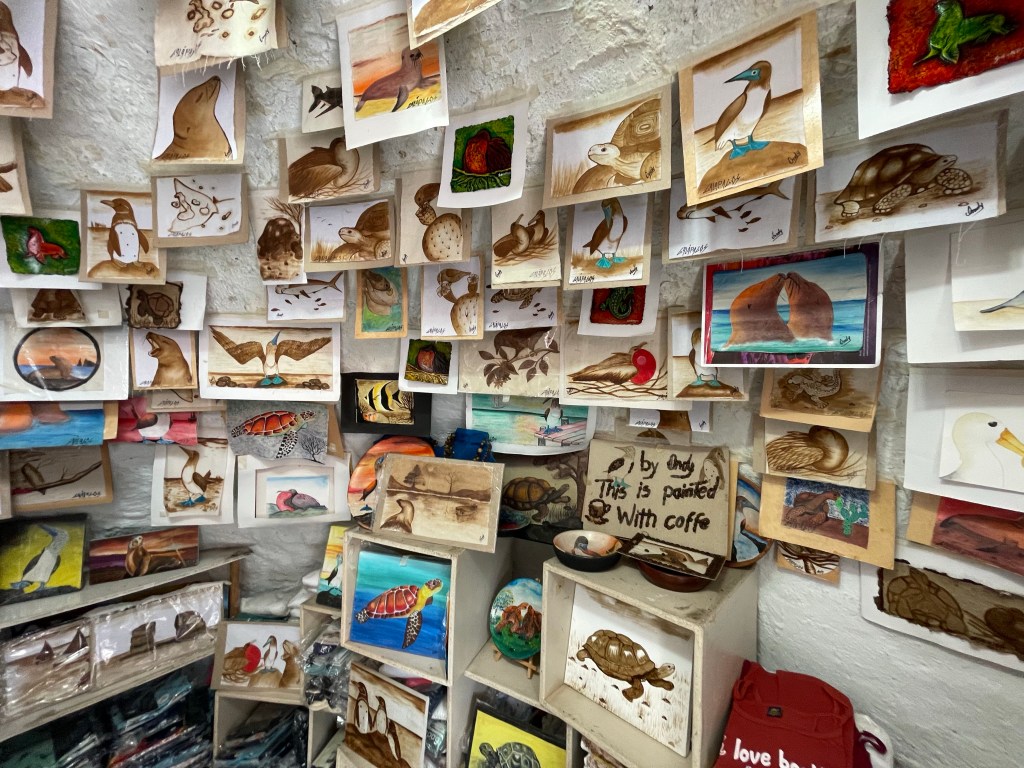
– Walk back to town from the beach (make sure you’re back to the trailhead before they close the gates at 5pm) and spend the rest of the evening shopping in the adorable artisan shops and repetitious gift shops.
– Pizza and salad from La Artesanía del Gusto for dinner.
Day 9: Wake up knowing that you left home 10 days ago and this is the point in time where you always start to get homesick but you know you’ll have to come back to the Galápagos in a couple years to see the rest of the islands.
– Walk to Bowl Açaí & Coffee House for an açaí bowl and juice for breakfast.
– Visit a couple more local artisan shops.
– Head to the airport and fly back to Guayaquil on Avianca (or Latam).
– Check in to AirBnB in Guayaquil. DO NOT DRINK THE WATER.
– Walk the Malecon 2000 back to Parque Seminario for your last iguanas of the trip.
– Eat dinner at La Pata Gorda, again, because it’s that good.
– Uber back and get packed up to fly home the next morning.
Day 10: Hope you didn’t drink the water and fly home, with your heart fuller from having experienced the islands but sad that you didn’t have time for more.
PACKING
I hate overpacking. I’m a carry-on girl through and through and I don’t want a lot of decision fatigue so I try to pack very deliberately and efficiently. This trip was a tough one as it felt so mysterious and the landscape was so unknown.
I was very grateful I packed:
– Closed-toed, water-safe Keen Whisper hiking sandals (I got mine at REI, caution, size down) that I could wear for both wet landings and the hikes. The terrain can be volcanic and rocky and I highly recommend a closed-toe sandal. I did travel in a pair of tennis shoes that I wore on the Sierra Negra hike but that was the only time I wore the tennis shoes.
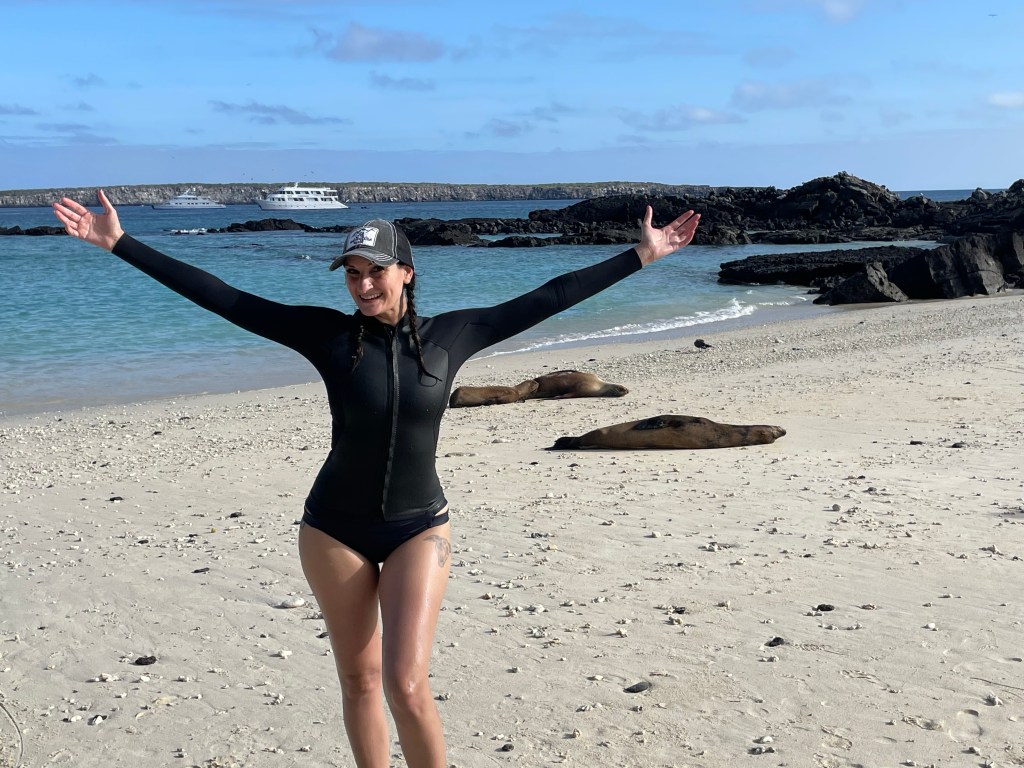
– A wet suit jacket, which I often wore under the shorty wet suit the cruise provided (they run REALLY tight, I had to size up), and a rash guard, worn under my wet suit a time or two when I didn’t wear the wet suit jacket. The water is not particularly warm and it is imperative to protect your skin from the sun.
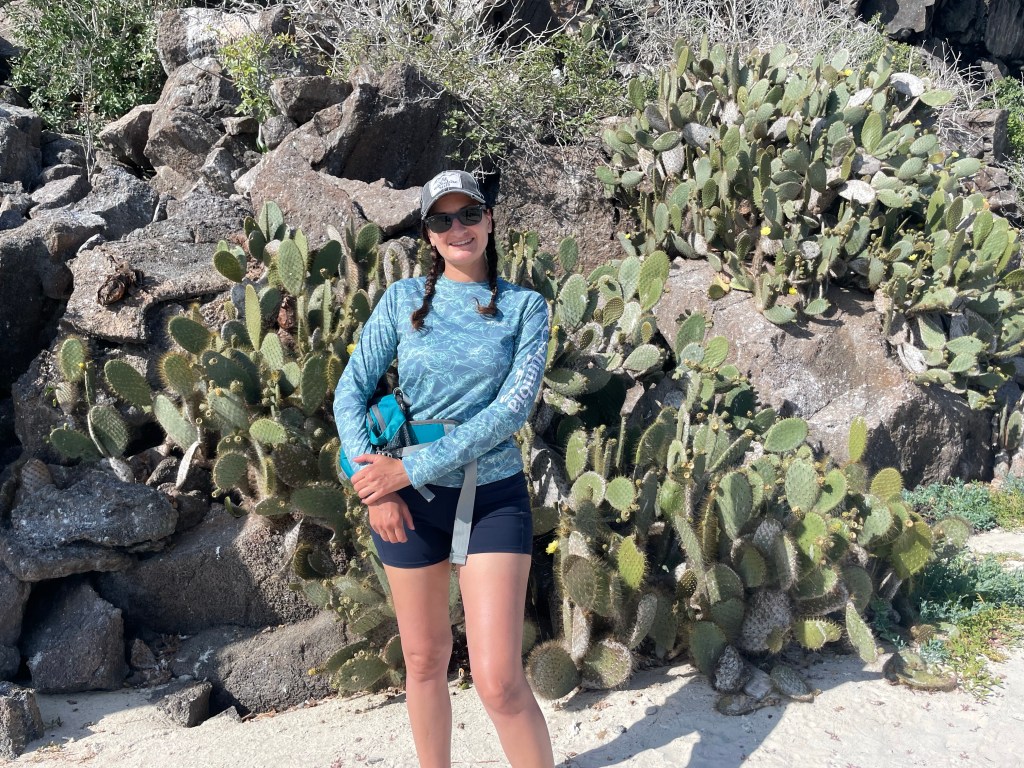
– Long sleeve sun-reflective shirts. Again, protect your skin from the sun! The Columbia shirts are sun-reflective and many are actually cooling. I wore them every single day. Hot tip: Columbia shirts and dresses run large, size down.
– Two piece bathing suits (you’ll want to have at least two). I’d recommend taking a couple extra pair of bottoms to make sure you never have to put on a wet bikini bottom.
– Comfortable shorts with a side pocket for easy phone/camera storage.
– Leggings and a light sweater for evening lounging on the cruise and a casual dress or loungewear for afternoon downtime on the yacht.
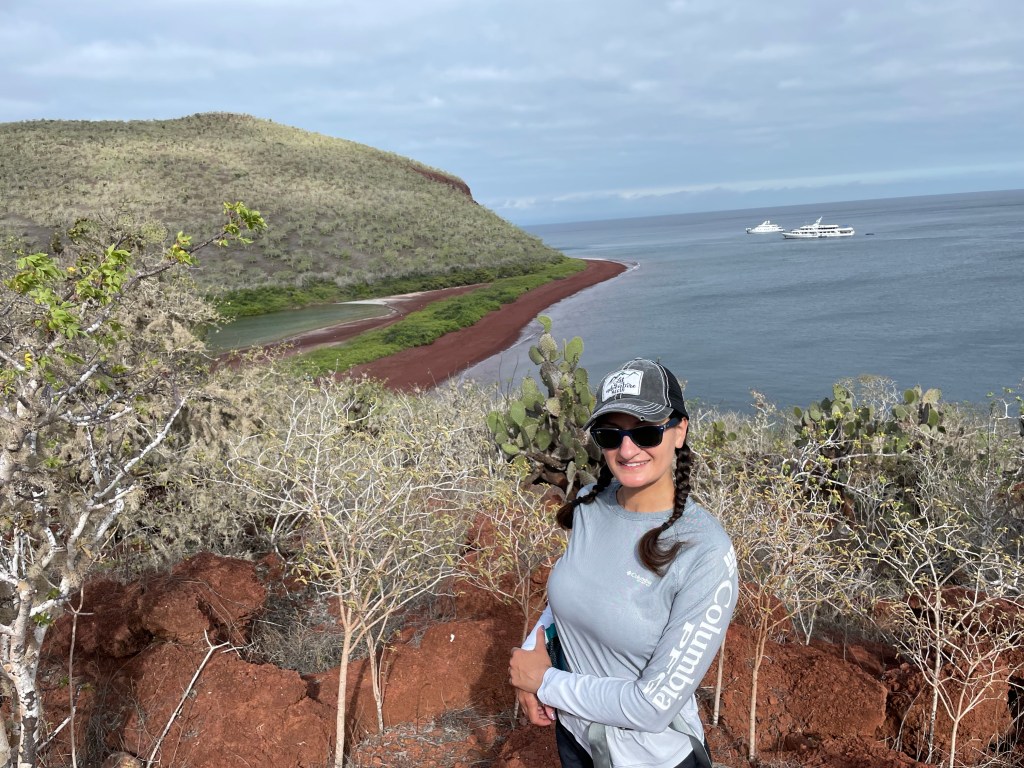
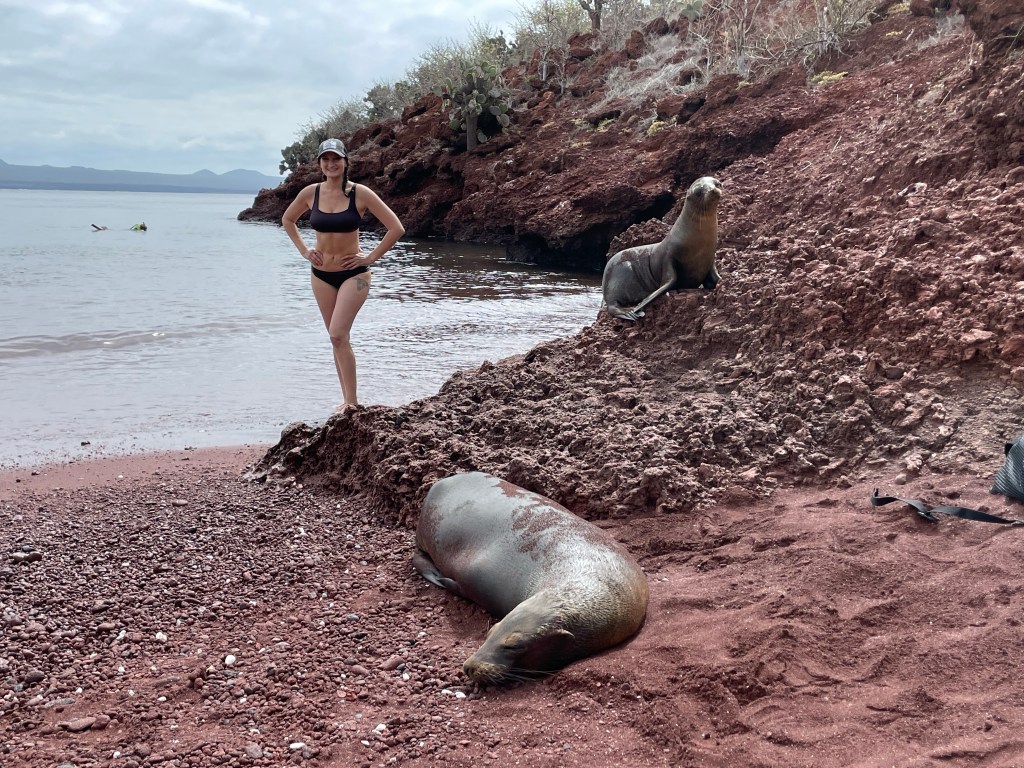
Not every item I packed was needed and there were quite a few items I could have edited out. I never needed to use my flip-flops, on the yacht I was comfortable barefoot or in comfy socks (I did wear the flip flops to dinner on Isabela but didn’t need them, I could have easily worn my keens), never used my bathing suit cover-ups, never wore a tank top during the day (long sleeve shirts were cooling and best with the sun).
A few other items I was very grateful to have and used a lot included:
– Reef-safe sunscreen, including one on a stick, for easy application and transport (the stick especially for my neck and face).
– A waist-belt style hiking pack (like a fanny pack with a place to hold the water).
– A foldable backpack (I take mine on EVERY trip and am ALWAYS grateful for it).
– An insulated water bottle to keep your water cool (this is my favorite bottle but I really dislike the new lid style) and a LifeStraw water bottle.
– Sunglasses and a comfy lightweight hat.
 Taking On the World
Leave a comment